Inspiration
View all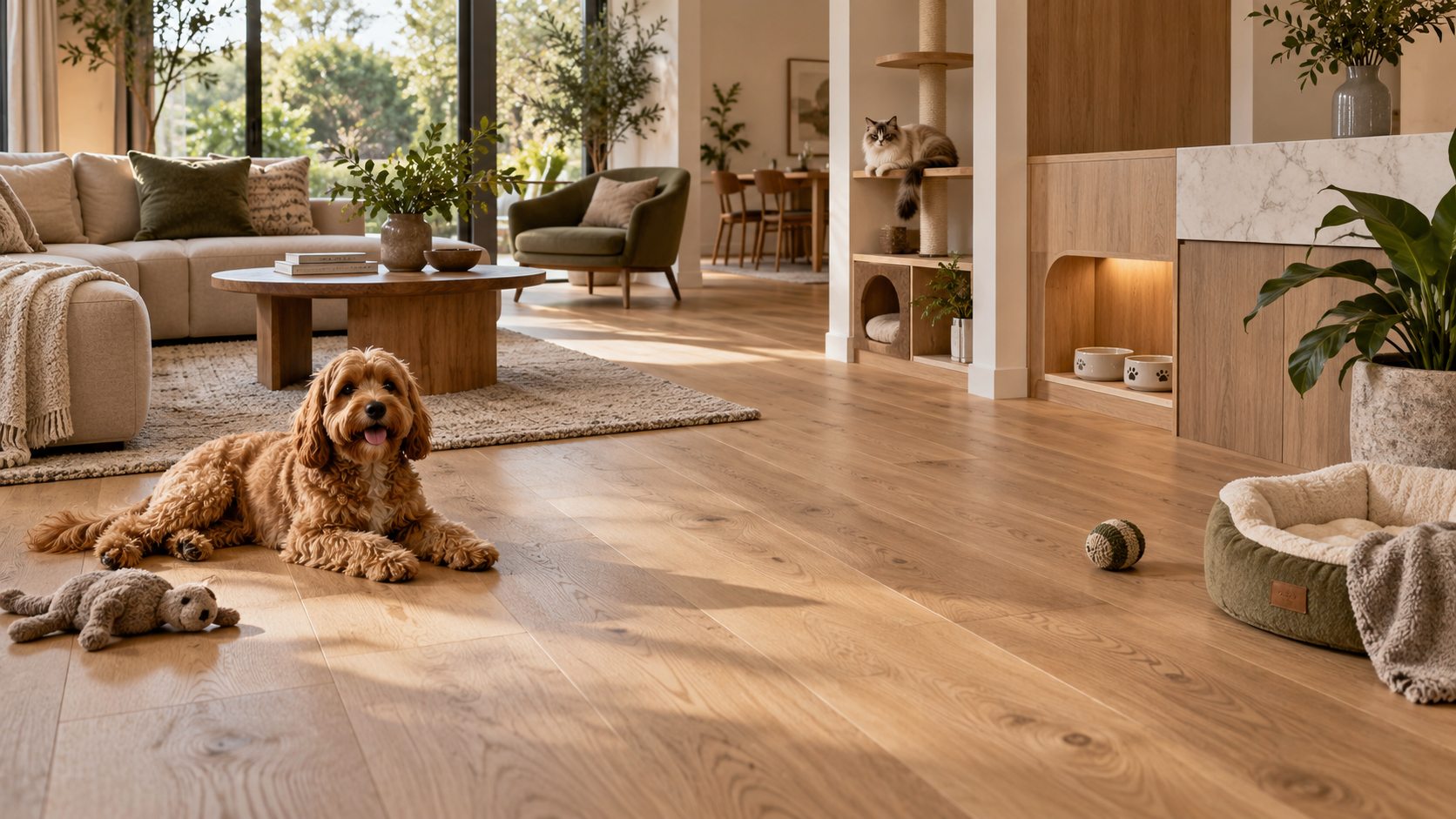
Pet Space: Designed for Better Living
What Should You Consider When Designing a Pet Room?
1. Design Around Your Pet’s Behavior
2. Separate Resting, Feeding, and Cleaning Areas Clearly
3. Choose Materials That Are Easy to Maintain and Suitable for Everyday Use
What Makes a Good Flooring Choice for Pets?
1. The Floor Should Not Be Too Slippery
2. It Should Be Easy to Clean
3. It Should Handle Everyday Scratches and Wear Well
4. The Color and Grain Should Help Disguise Pet Hair and Minor Marks
Is Wood Flooring Suitable for Homes with Pets?
Wood flooring can work well in homes with dogs or cats when the right type of flooring, surface texture, and finish are selected.
One option worth considering for a pet-friendly home is Engineered Wood Flooring.
Why Is Engineered Wood a Good Option for Pet-Friendly Homes?
1. More Dimensionally Stable Than Solid Wood in Many Environments
2. Offers the Natural Look and Character of Real Wood
3. Available in Surface Finishes That Can Better Suit Homes with Pets
What Type of Wood Flooring Is Best for Homes with Dogs or Cats?
1. Choose a Matte Finish Over High Gloss
2. Choose a Brushed or Lightly Textured Surface
3. Choose Natural to Medium Wood Tones
4. Consider Wood Hardness and Surface Finish
5. Avoid Leaving Water or Moisture on the Floor for Extended Periods
What Wood Floor Colors Work Best in Pet-Friendly Homes?
Practical color options include:
- Natural Oak
- Warm Oak
- Greige Oak
- Medium Brown
Mid-tone wood colors and natural grain variation can help make pet hair, dust, and small signs of everyday use less noticeable.
What Type of CHATTEX Flooring Is Suitable for a Pet-Friendly Home?
For homes with dogs or cats, CHATTEX recommends looking for engineered wood flooring with characteristics such as:
- Natural to Medium Tone
- Matte Finish
- Brushed Texture
- Visible Natural Grain
These surfaces are generally more forgiving in everyday use than highly polished, very dark, or visually uniform floors where minor marks may appear more noticeable.
A Pet-Friendly Home Does Not Have to Compromise on Design
Designing a space for pets does not mean the room has to look separate from the rest of the home.
With the right layout and material selection, a pet-friendly space can remain fully integrated into the overall interior design.
Engineered Wood Flooring can therefore be a suitable choice for homeowners who want the natural character of real wood while creating a home that works beautifully for both people and pets.
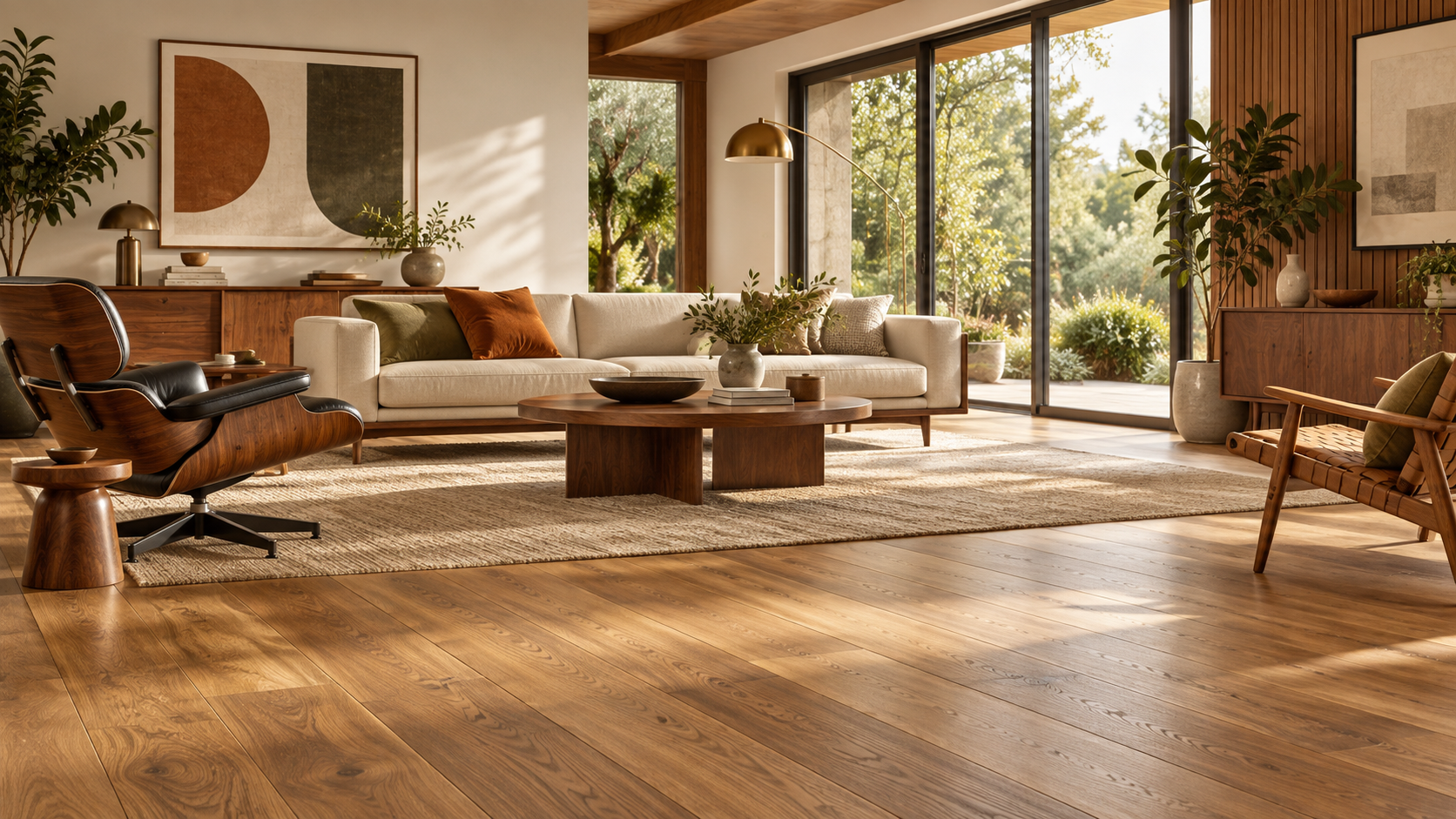
Mid-Century Modern: How to Make It Feel Classic, Not Dated
Mid-Century Modern is known for its clean lines, distinctive furniture, and warm use of natural wood.
Although the style originated in the mid-20th century, today’s Mid-Century interiors are not about recreating a home from the 1950s or 60s. Instead, they bring the forms, colors, and materials of the era into a more contemporary setting.
What Is Mid-Century Modern?
At the heart of Mid-Century Modern is the idea of form following function.
Furniture and interiors are usually simple and practical, but still full of character through proportion, curves, and material choices.
Typical elements include low-profile sofas, tapered-leg sideboards, sculptural lounge chairs, and a mix of wood, leather, stone, and metal.
The result is a space that feels simple, yet more expressive than a typical minimalist interior.
What Colors Work Best for Mid-Century Modern?
Mid-Century Modern does not mean filling the room with mustard yellow and orange.
For a more contemporary approach, start with a neutral base such as:
Warm White / Cream / Beige / Taupe / Brown
Then introduce one or two stronger accent colors, such as:
Olive Green / Rust / Burnt Orange / Mustard / Deep Blue
This keeps the Mid-Century character while making the room feel calmer and more current.
How Can You Recognize Mid-Century Furniture?
Look for a few key characteristics:
- Clean, uncomplicated forms
- Low-profile proportions
- Tapered legs
- A balance of straight lines and soft curves
- Materials such as wood, leather, fabric, and metal
You do not need Mid-Century furniture in every corner.
A single statement piece, such as a lounge chair, sofa, or sideboard, can establish the style while contemporary pieces keep the space from feeling overly retro.
How Do You Make Mid-Century Modern Feel Contemporary?
"Balance is key." Instead of using every recognizable Mid-Century element at once, choose a few strong pieces and place them against a simpler architectural and material backdrop.
For example:
• A Mid-Century sofa with warm white walls.
• A vintage wood table paired with travertine.
• A classic lounge chair placed over wide-plank wood flooring.
Avoid using matching furniture sets throughout the room. Mixing vintage-inspired pieces with contemporary design usually creates a more natural and lived-in result.
What Wood Flooring Works Best with Mid-Century Modern?
Wood plays an important role in defining the mood of a Mid-Century interior.
For a more classic look, Walnut, Teak tones, and Medium Brown create richness and warmth.
For a lighter, more contemporary interpretation, Warm Oak or Natural Brown can make the room feel brighter and more relaxed.
A Matte or Brushed Finish also helps preserve the natural appearance of the wood and pairs well with Mid-Century furniture without making the space feel overly polished.
Mid-Century Modern for Today
The reason Mid-Century Modern continues to feel relevant is not because we want to recreate the past.
Its principles still work beautifully in contemporary homes: functional furniture, thoughtful proportions, clean forms, and the warmth of natural materials.
The goal is not to create the most “Mid-Century” room possible, but to bring just enough of its character into a space that still feels current.
CHATTEX Engineered Wood Flooring
Warm and natural wood tones with subtle grain and texture, designed to bring depth, character, and warmth to Mid-Century Modern interiors.
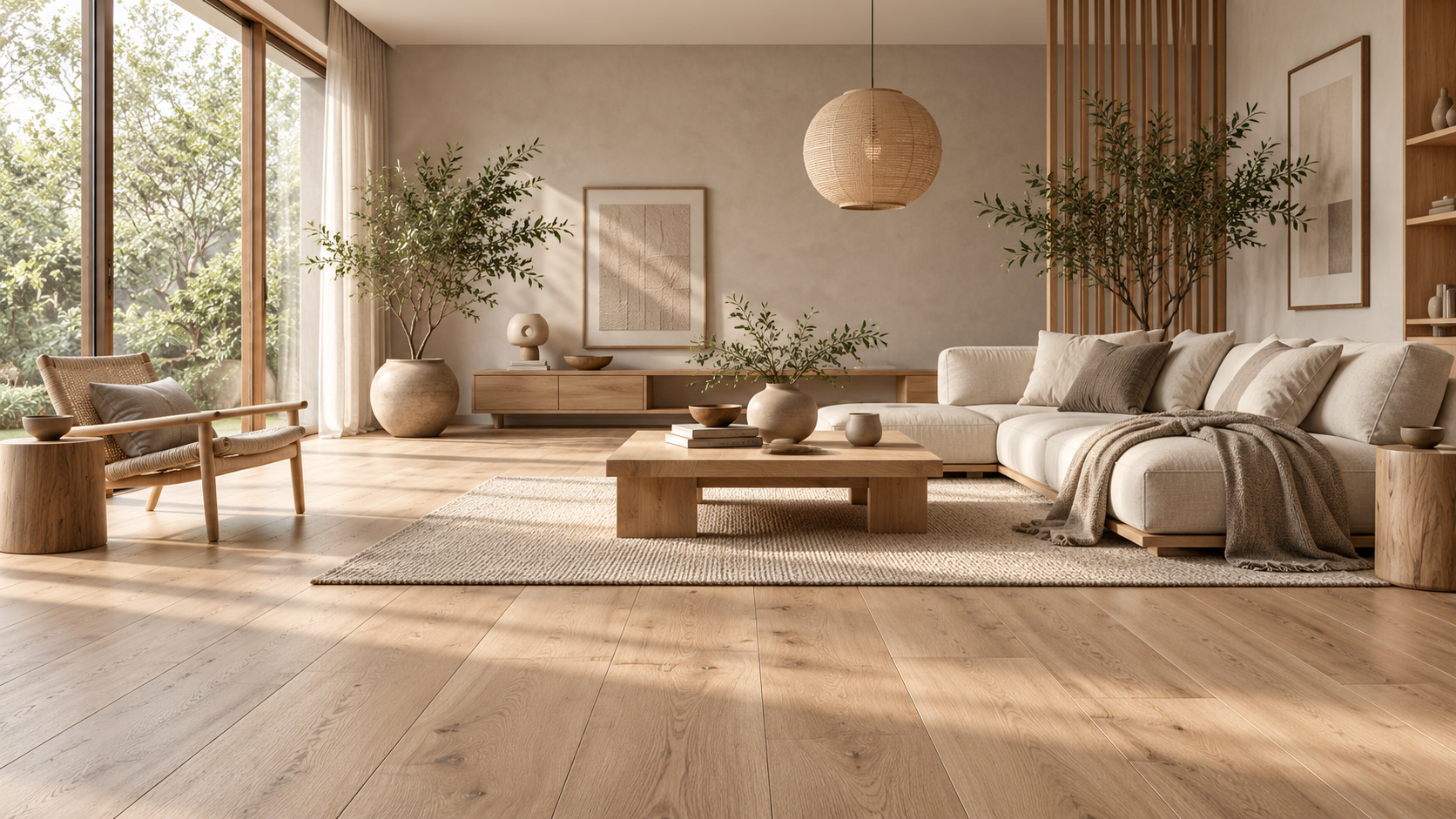
Japandi Style: Warm, Minimal, and Timeless
Japandi combines the simplicity and calm of Japanese design with the warmth and functionality of Scandinavian interiors.
The result is a space that feels minimal without being cold, understated without feeling empty, and rich in natural textures and carefully considered details.
At its core, Japandi is not about filling a room with Japanese-inspired furniture. It is about creating balance through simplicity, functionality, and natural materials.
What Is Japandi Style?
The word Japandi comes from a combination of Japanese and Scandinavian design.
While the two traditions come from different parts of the world, they share several principles: simplicity, craftsmanship, natural materials, and purposeful design.
Japanese interiors often emphasize calmness, negative space, and the beauty of natural imperfection, while Scandinavian design focuses on warmth, comfort, and everyday functionality.
Together, they create interiors that feel:
- Simple but not stark
- Minimal but still inviting
- Connected to natural materials
- Focused on quality over quantity
- Calm, balanced, and timeless
How to Choose a Japandi Color Palette
Japandi interiors often begin with a neutral palette, but that does not mean everything needs to be white or beige.
Good base colors include:
- Warm White
- Cream
- Beige
- Greige
- Taupe
- Soft Brown
Deeper shades such as Olive Green, Charcoal, Deep Brown, or Black can be introduced in smaller amounts to create contrast and visual depth.
The key is to keep the palette cohesive. No single color should overpower the room or feel disconnected from the surrounding materials.
Use Natural Materials Instead of Excessive Decoration
In Japandi interiors, visual interest comes from materials and texture rather than an abundance of decorative objects.
Materials commonly associated with the style include:
- Natural wood
- Stone
- Plaster or mineral finishes
- Linen
- Cotton
- Wool
- Ceramic
- Paper and natural woven materials
Rather than adding more objects to a room, let the grain of the wood, the texture of stone, the softness of fabric, or the imperfections of a plaster wall become part of the design.
This keeps the space minimal while still giving it depth and character.
What Kind of Furniture Works in a Japandi Interior?
Japandi furniture is usually defined by simple forms, thoughtful proportions, and minimal ornamentation.
It can combine the clean lines of Scandinavian design with the softer, lower profiles often found in Japanese interiors.
Typical pieces may include:
- Low-profile sofas
- Low beds
- Simple coffee tables
- Long sideboards
- Minimal wood dining tables
However, not every piece of furniture needs to follow the same design language.
A successful Japandi home should feel carefully collected over time rather than furnished entirely from one matching collection.
What Kind of Lighting Works Best for Japandi Interiors?
Natural light plays an important role in Japandi design.
Rather than making a room as bright as possible, focus on the quality of light: soft daylight, shadows across textured surfaces, and subtle transitions between light and shade.
For artificial lighting, warm white temperatures generally work well with the natural and earthy materials used throughout Japandi interiors.
Indirect lighting, wall lights, and table lamps can also create more depth than relying solely on bright overhead lighting.
Why Flooring Matters in Japandi Interiors
Flooring is one of the largest visual surfaces in any room, which means it has a significant influence on the overall atmosphere.
If the flooring feels too cold, glossy, or visually busy, the space may lose the calmness associated with Japandi design, even when the furniture and walls are carefully selected.
This is one reason wood flooring works particularly well in Japandi interiors.
Wood introduces natural warmth, texture, and visual softness without adding unnecessary decoration.
What Wood Flooring Colors Work Best for Japandi Style?
There is no single wood color that defines Japandi.
Instead, the goal is to choose a tone that feels natural and works harmoniously with the rest of the material palette.
Light Natural Oak
Light natural oak creates an airy and calm atmosphere with a stronger Scandinavian influence.
It works especially well in spaces with plenty of natural light and soft neutral colors.
Warm Natural Oak
Warm natural oak adds greater warmth while maintaining a clean and understated appearance.
It suits Japandi interiors that are intended to feel more relaxed and inviting.
Greige Oak
Greige oak brings a more contemporary character by combining natural wood warmth with subtle grey undertones.
It pairs particularly well with stone, plaster, concrete, and neutral wall finishes.
Medium Brown
Medium brown creates a deeper and more grounded atmosphere with stronger Japanese influences.
It works beautifully when contrasted with light walls, linen fabrics, and understated furniture.
What Wood Flooring Finish Is Best for Japandi Interiors?
Color is only part of the decision. The surface finish also has a major impact on how the floor feels within the space.
Highly glossy finishes can make wood appear more processed and reflective, which may work against the natural character associated with Japandi interiors.
More suitable options include:
Matte Finish
A matte finish minimizes reflections and allows the natural character of the wood to remain visible.
Brushed Texture
A lightly brushed surface enhances the wood grain and adds subtle depth, particularly in interiors with a restrained color palette.
Natural Grain Variation
Wood planks do not need to look perfectly identical.
Subtle variation between individual boards can make the floor feel more authentic and give the room a sense of natural character.
Why Engineered Wood Works Well with Japandi Style
Japandi design celebrates natural materials while placing equal importance on functionality.
This makes Engineered Wood Flooring a particularly relevant option.
Its top layer provides the natural grain, texture, and character of real wood, while its layered construction offers greater dimensional stability than solid wood in many environments.
It allows homeowners to retain the authenticity of real wood while choosing a flooring system designed for contemporary living.
What Type of CHATTEX Flooring Works Best for Japandi Interiors?
For Japandi-style interiors, consider CHATTEX Engineered Wood Flooring with characteristics such as:
- Light to Medium Natural Tones
- Warm or Neutral Undertones
- Matte Finish
- Brushed Surface
- Visible but Subtle Natural Grain
- Wide Planks for a Calm and Continuous Look
For a more Scandinavian interpretation of Japandi, lighter and more neutral wood tones can help create an airy atmosphere.
For a deeper, more Japanese-inspired interior, warmer oak or medium brown tones can create stronger contrast against light walls and natural fabrics.
Rather than asking:
“Which flooring color is Japandi?”
A better question is:
“Which wood tone works best with the light, materials, and atmosphere of this particular space?”
Because Japandi is not created through a fixed formula. It comes from balancing the entire material palette.
Japandi Is Simplicity with Character
Japandi is not about making a home as empty as possible.
It is about removing what is unnecessary so that the materials, light, craftsmanship, and objects that remain have room to express their character.
The grain of wood, the texture of fabric, shadows across a wall, and the natural variation of materials can all become part of the interior without the need for excessive decoration.
And because flooring occupies such a large visual area, choosing the right wood floor can establish the character of a Japandi interior from the moment you enter the space.
CHATTEX Engineered Wood Flooring
Natural wood tones and textures designed to complement the warmth and simplicity of Japandi interiors.
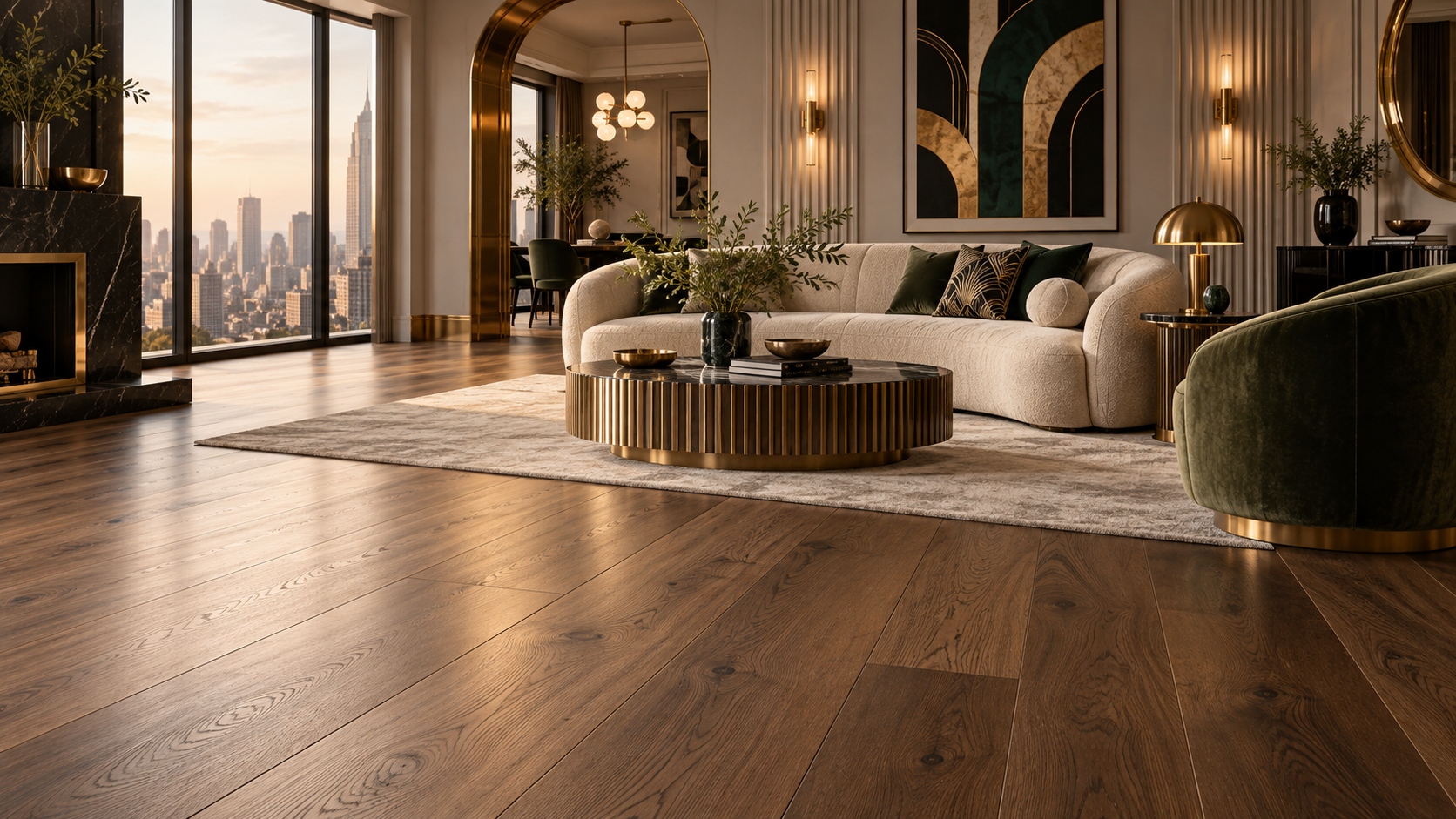
Art Deco: How to Make It Feel Luxurious, Characterful, and Timeless
Art Deco is one of the most recognizable expressions of luxury in interior design, defined by geometric forms, rich colors, polished materials, and furniture with a strong sense of character.
But a modern Art Deco interior does not need to be filled with gold, marble, and dramatic patterns.
Today, the style works best when its distinctive colors, forms, and materials are balanced with the simplicity of contemporary design.
What Is Art Deco Style?
Art Deco is known for a sense of structured glamour and visual order.
Some of its most recognizable elements include:
- Geometric forms and strong lines
- Symmetry
- Curved and sculptural shapes
- Deep colors and jewel tones
- Materials such as wood, stone, glass, metal, and velvet
- Brass, chrome, and polished metal details
- Decorative lighting that acts as a statement piece
Unlike traditional classical interiors, which often rely heavily on ornamentation, Art Deco creates impact through form, contrast, and material.
What Colors Work Best for Art Deco Interiors?
Art Deco is often associated with rich, saturated colors such as:
Emerald Green / Burgundy / Deep Blue / Chocolate Brown / Black
These can be balanced with softer neutrals such as:
Cream / Beige / Warm White
Metallic accents in Brass, Gold, Chrome, or Silver can then be introduced in smaller details.
For a more contemporary home, you do not need to use jewel tones throughout the entire room.
Instead, start with a neutral background and introduce one or two deeper colors through a sofa, armchair, curtains, or artwork.
This creates an Art Deco mood without making the space feel overly dramatic.
What Does Art Deco Furniture Look Like?
Art Deco furniture is not limited to sharp geometric lines.
Many iconic pieces feature bold curves and sculptural proportions, from curved sofas and statement armchairs to tables with strong geometric bases.
Common materials include:
- Velvet
- Leather
- Dark Wood
- Marble
- Glass
- Brass
- Chrome
To keep the space from feeling too period-specific, avoid using Art Deco furniture throughout the entire room.
One or two statement pieces paired with simpler contemporary furniture can create a much more balanced result.
How Do You Make Art Deco Feel Luxurious Without Going Over the Top?
The key is simple: do not use every signature Art Deco element at once.
If you already have a strongly veined marble surface, consider keeping the walls more restrained.
If an Emerald Green sofa is the focal point, let the surrounding furniture stay within a quieter neutral palette.
And if you choose a sculptural Brass light fixture, allow the flooring and walls to act as a calmer backdrop rather than competing for attention.
Modern Art Deco does not need to be excessive.
A few elements can be bold by intention while the rest of the interior remains refined and understated.
How to Style an Art Deco Living Room
When designing an Art Deco living room, begin with the element that has the greatest visual impact, such as the sofa, rug, coffee table, or lighting.
Then build layers of color and material around it.
For example:
Curved Sofa + Marble Table + Dark Wood + Brass Lighting
or
Cream Sofa + Deep Green Armchair + Wood Flooring + Chrome Details
A small number of carefully selected elements can establish an Art Deco atmosphere without turning the entire room into a themed interior.
What Flooring Works Best with Art Deco Interiors?
Because Art Deco furniture, colors, and materials already have a strong visual presence, the flooring should help ground the room without making it feel too busy.
Wood flooring works particularly well, especially in deeper and warmer tones such as:
Warm Brown / Medium Brown / Dark Brown / Smoked Wood
Darker wood can create a striking backdrop for Cream, Brass, Marble, and jewel tones, while Warm or Medium Brown works well for a lighter and more contemporary interpretation of Art Deco.
For the surface finish, Matte or Brushed textures can create a beautiful contrast with reflective materials such as glass, metal, and polished stone.
Not every surface needs to shine.
Art Deco Does Not Have to Belong to the Past
What keeps Art Deco relevant is its ability to give a room personality through just a few carefully chosen elements.
A single curve, one deep color, or one distinctive material can transform an otherwise simple space.
For a contemporary home, the goal is not to recreate Art Deco exactly as it appeared in the past.
Instead, borrow its visual language and allow the rest of the interior to remain clean, calm, and current.
CHATTEX Engineered Wood Flooring
Engineered wood flooring in warm to deep tones, with natural grain and texture that adds depth and character to Art Deco interiors without competing with the other statement elements in the space.
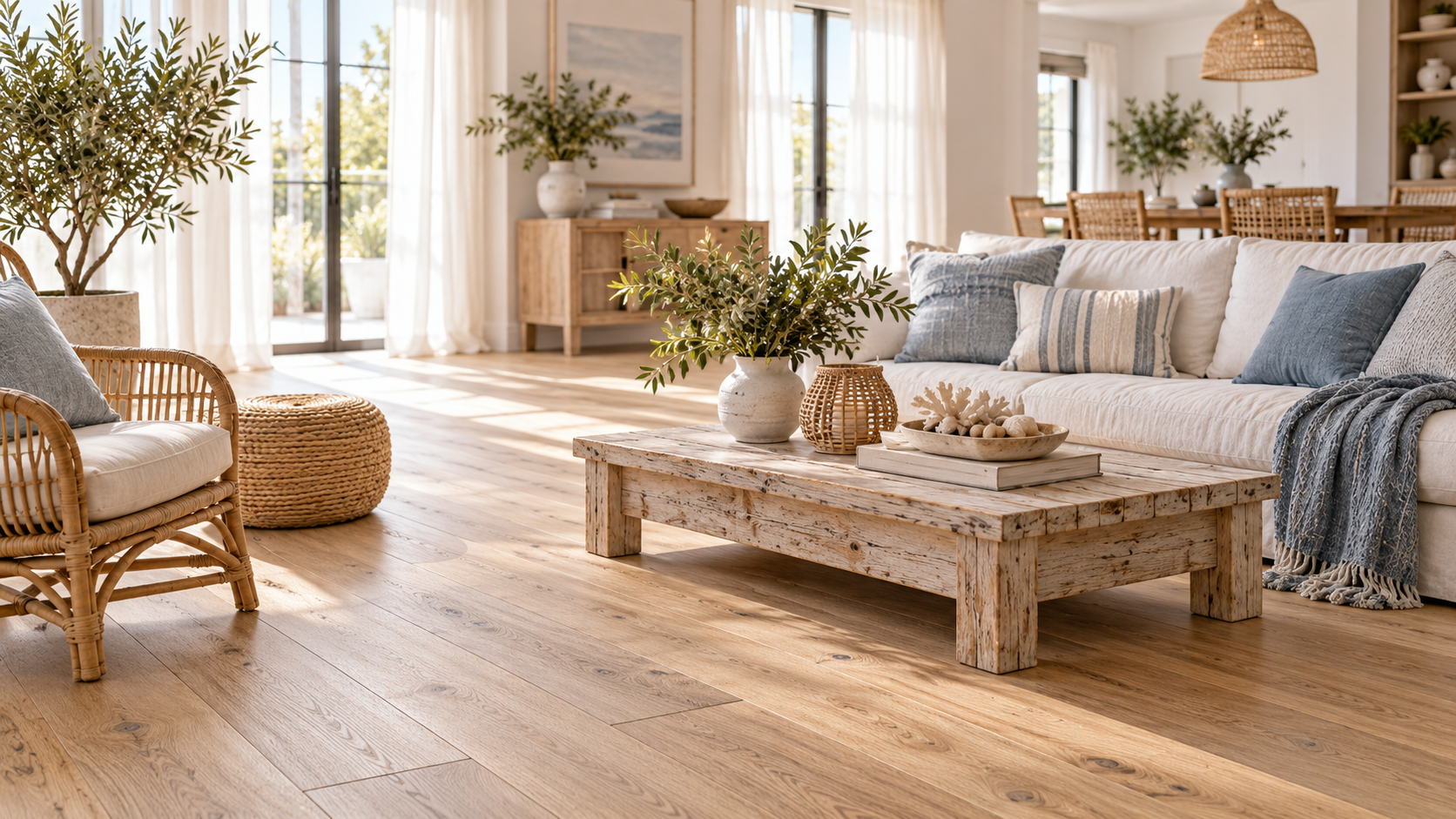
Beach House: How to Create an Airy, Relaxed Interior with a Coastal Feel
Beach House Style does not have to mean filling a home with blue and white stripes, seashells, or nautical decorations.
Its real appeal lies in creating a space that feels airy, relaxed, natural, and connected to light and the outdoors through soft colors, natural materials, and effortless styling.
And you do not need to live by the sea to create the feeling of a Beach House at home.
What Is Beach House Style?
Think about the atmosphere of a seaside home on a bright, breezy day.
Natural light fills the room, soft curtains move with the air, wood and stone bring subtle texture, and the furniture feels comfortable rather than overly styled.
Typical Beach House interiors often include:
- Open and light-filled spaces
- Soft, sun-washed colors
- Natural wood and organic materials
- Linen and textured fabrics
- Relaxed furniture
- A strong connection between indoor and outdoor spaces
Modern Beach House interiors focus more on the feeling of the coast than on obvious nautical decoration.
What Colors Work Best for Beach House Interiors?
Start with colors inspired by the natural coastal landscape, such as:
Warm White / Sand / Cream / Beige / Soft Taupe
Then introduce subtle accents like:
Muted Blue / Sea Green / Sage / Terracotta / Deep Ocean Blue
Rather than relying on blue and white throughout the entire room, this softer palette creates a calmer and more contemporary result.
It also allows natural materials and furniture to stand out more beautifully.
How Do You Create a Beach House Look Without Making It Feel Themed?
This is one of the most important parts of creating a modern Beach House interior.
Avoid trying to communicate “the beach” through every decorative object.
You do not need anchors, shells, coral, ropes, or beach signs throughout the room.
Instead, express the coastal atmosphere through materials and mood.
Think:
Sand-toned plaster walls
Soft linen curtains
Natural-finish wood furniture
Light-colored stone
Woven textures
A subtle touch of muted blue
The result will still feel coastal without turning the room into a themed space.
What Materials Work Best in a Beach House Interior?
Choose materials that feel tactile, relaxed, and natural, such as:
- Natural Wood
- Limestone
- Travertine
- Linen
- Cotton
- Rattan
- Cane
- Ceramic
- Plaster
These materials do not need to look perfectly new or uniform.
Subtle texture, variation, and natural imperfections can make the space feel more relaxed and lived-in.
How to Style a Beach House Living Room
Start by giving the room a sense of lightness and breathing space.
Choose a Cream or Neutral sofa, then introduce texture through cushions, linen, and a natural-fiber rug.
Coffee tables can be made from wood, stone, or travertine, while a cane or woven armchair can add another layer of texture without making the room feel busy.
Most importantly, do not feel the need to fill every corner.
A good Beach House interior should leave enough negative space for natural light, materials, and outdoor views to become part of the design.
What Wood Flooring Works Best for a Beach House?
Flooring plays a major role in defining the overall atmosphere of a Beach House interior.
For a bright and airy look, consider tones such as:
Light Oak / Natural Oak / Sand Tone
For a warmer atmosphere, move toward:
Warm Oak / Honey Tone / Light Brown
The floor does not have to be extremely pale or whitewashed.
Wood with visible natural grain and subtle variation can add depth and warmth while keeping the overall space light and relaxed.
What Wood Finish Feels Most Natural?
For a Beach House interior, avoid surfaces that feel overly polished.
A Matte Finish reduces reflection and allows the wood to feel more natural.
A Brushed Texture enhances the grain and adds visual depth without introducing additional patterns.
Paired with linen, plaster, stone, and light-toned furniture, natural wood flooring can bring warmth while preserving the effortless atmosphere that defines Beach House interiors.
Beach House Is a Feeling, Not a Location
You do not need an ocean view to create a home that feels connected to the coast.
The key is to create a space that feels light, relaxed, natural, and never overly decorated.
With soft colors, tactile materials, natural light, and enough breathing room, the feeling of a Beach House can exist even in the middle of the city.
CHATTEX Engineered Wood Flooring
Engineered wood flooring in natural tones, with subtle grain and texture that brings warmth and a relaxed atmosphere to Beach House interiors.
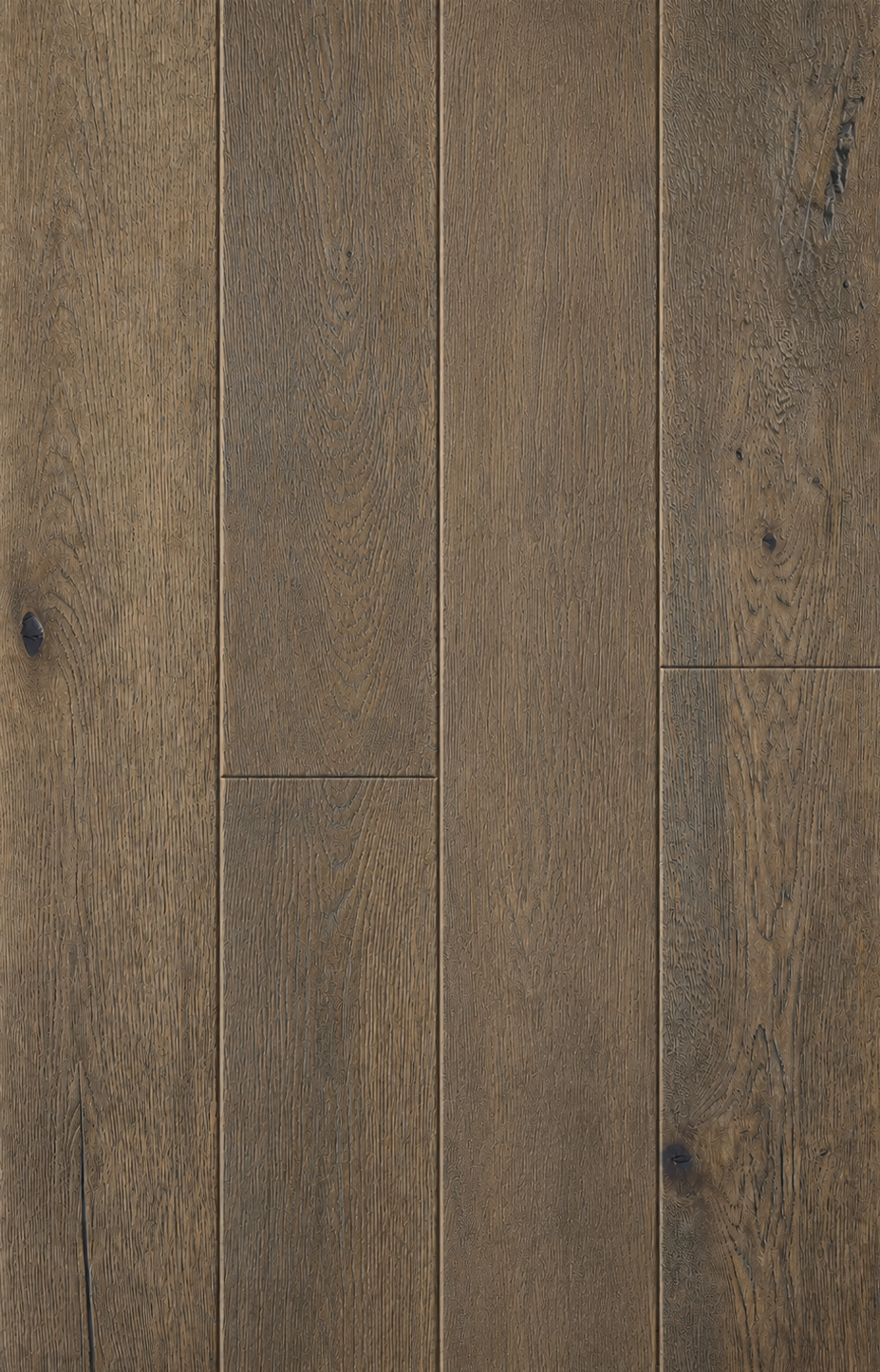
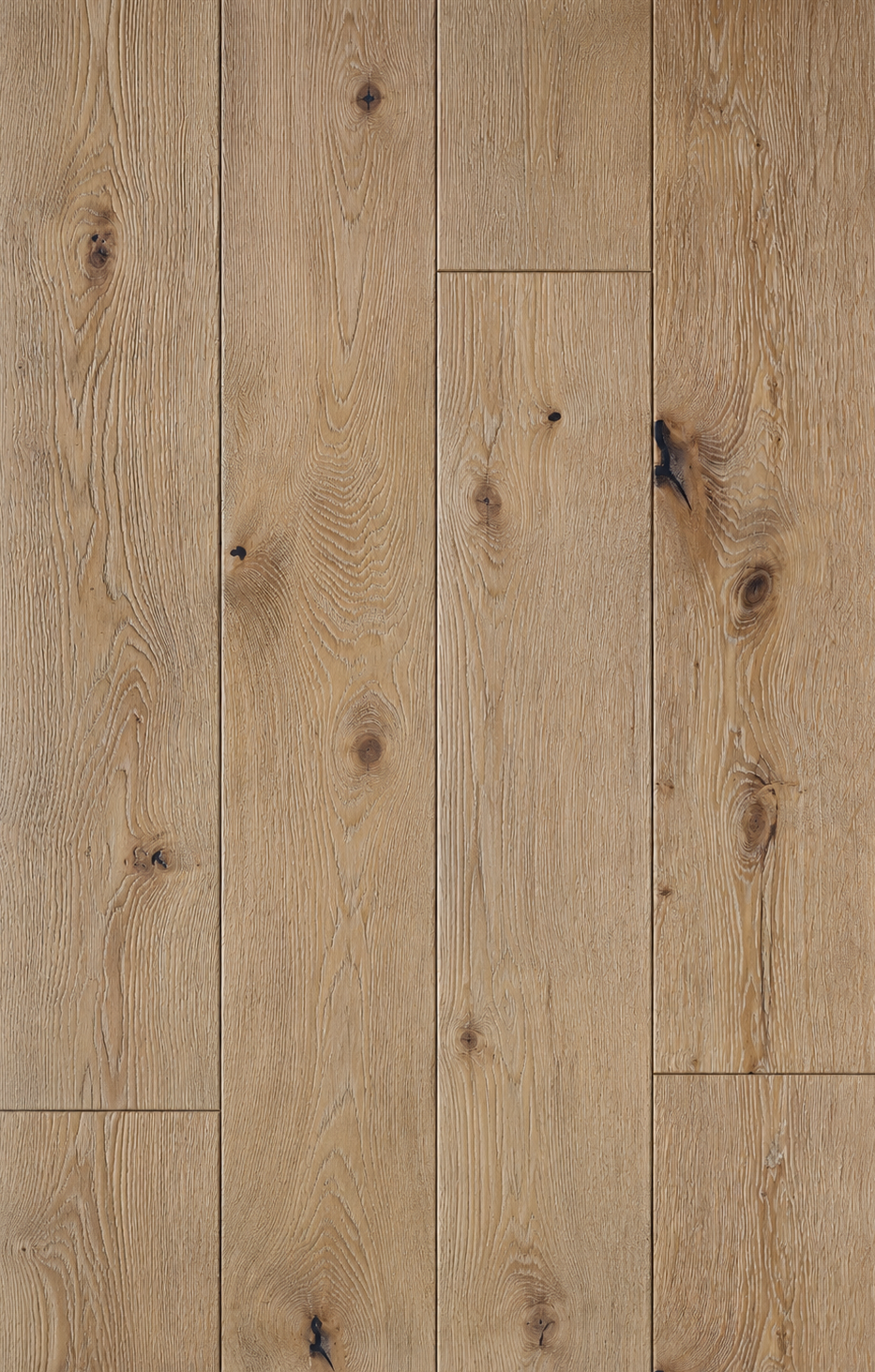
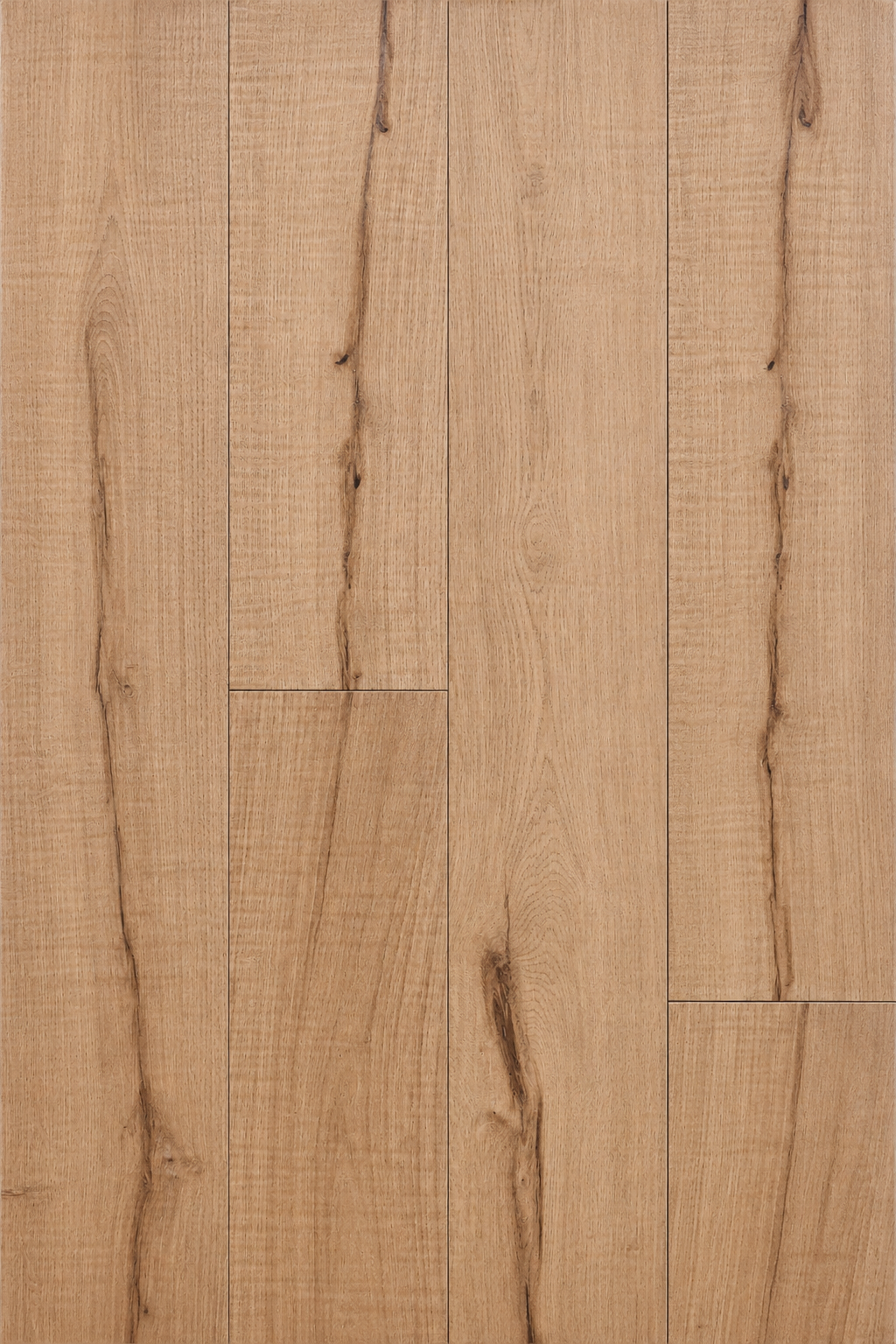
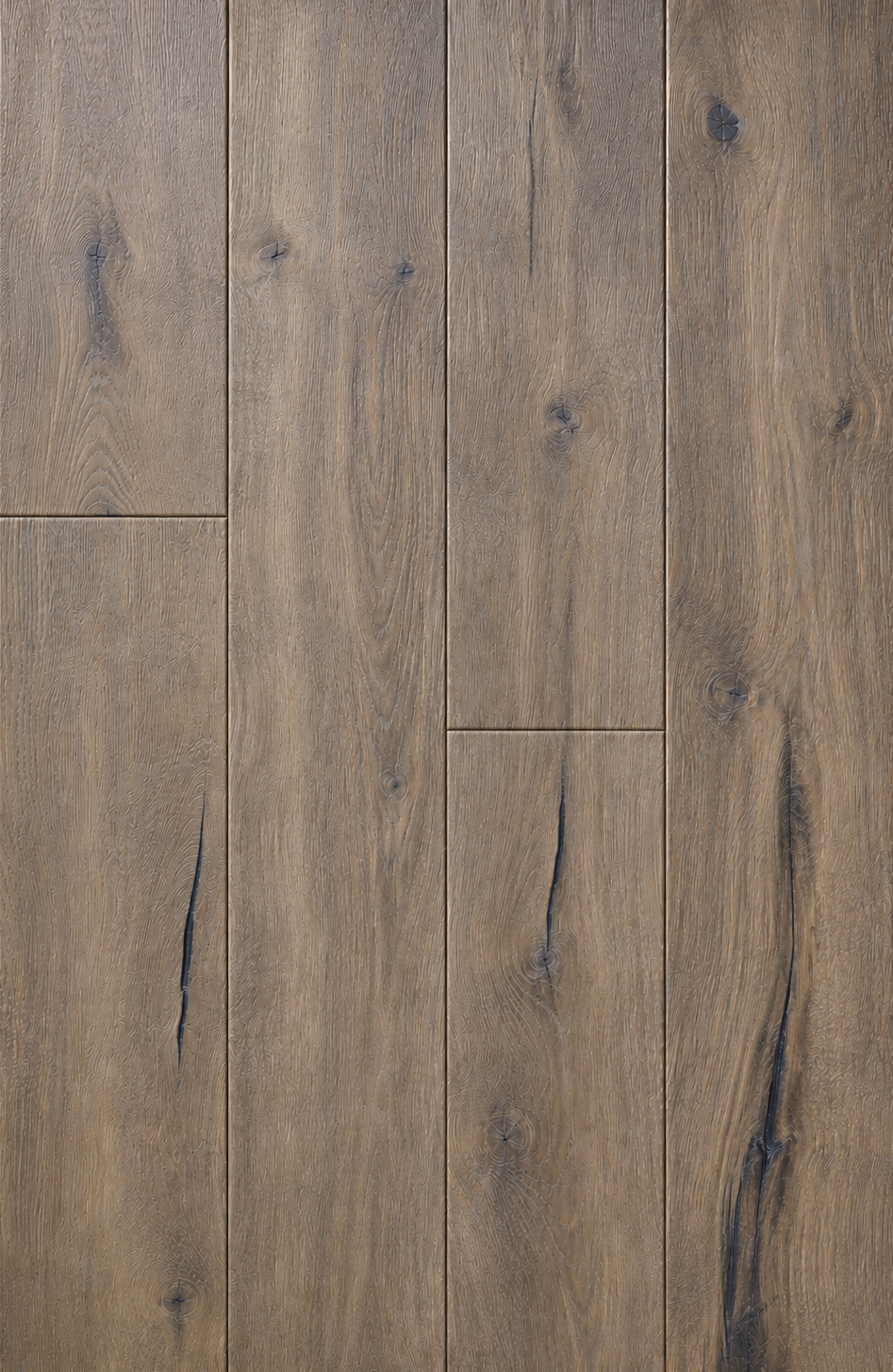
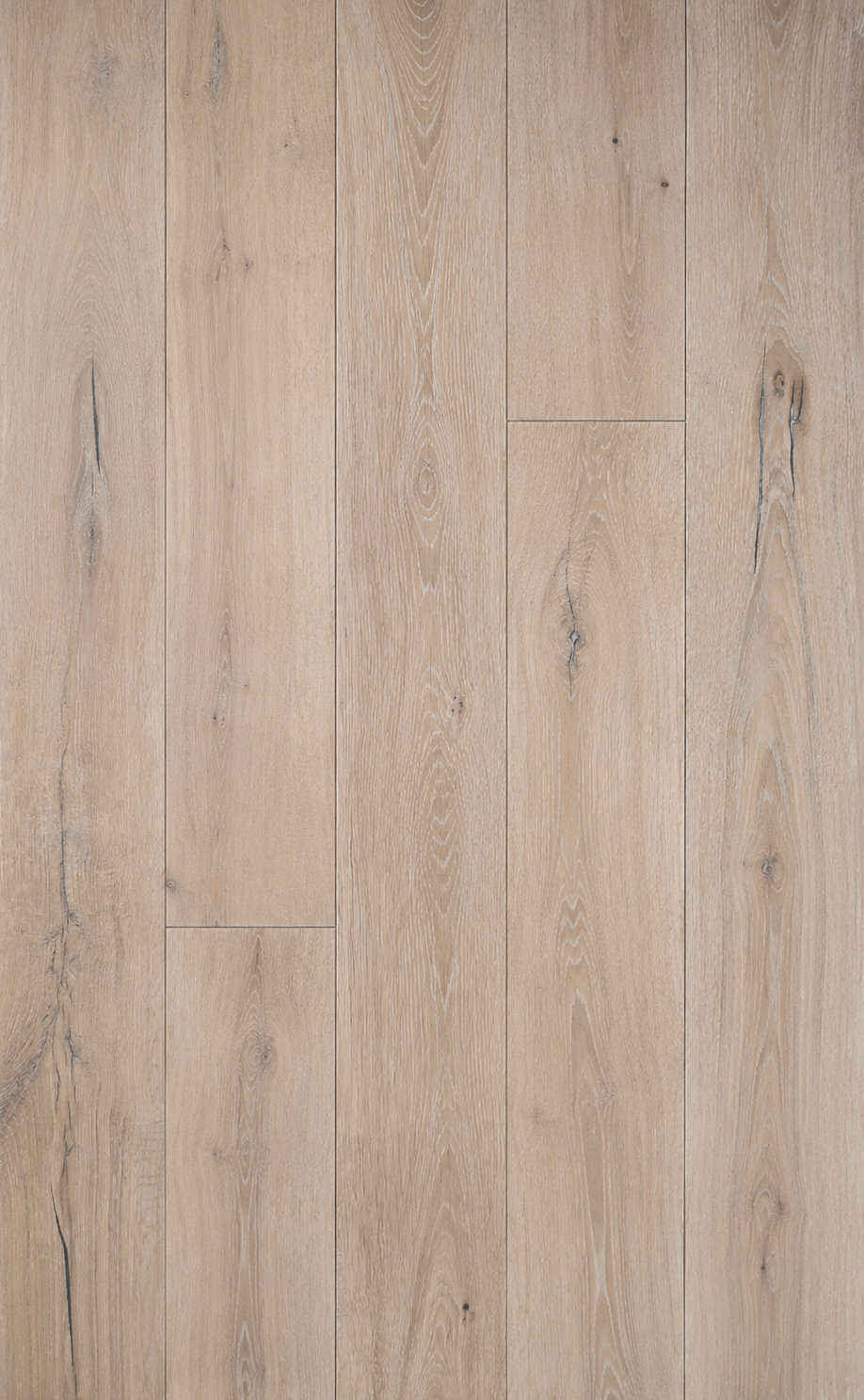
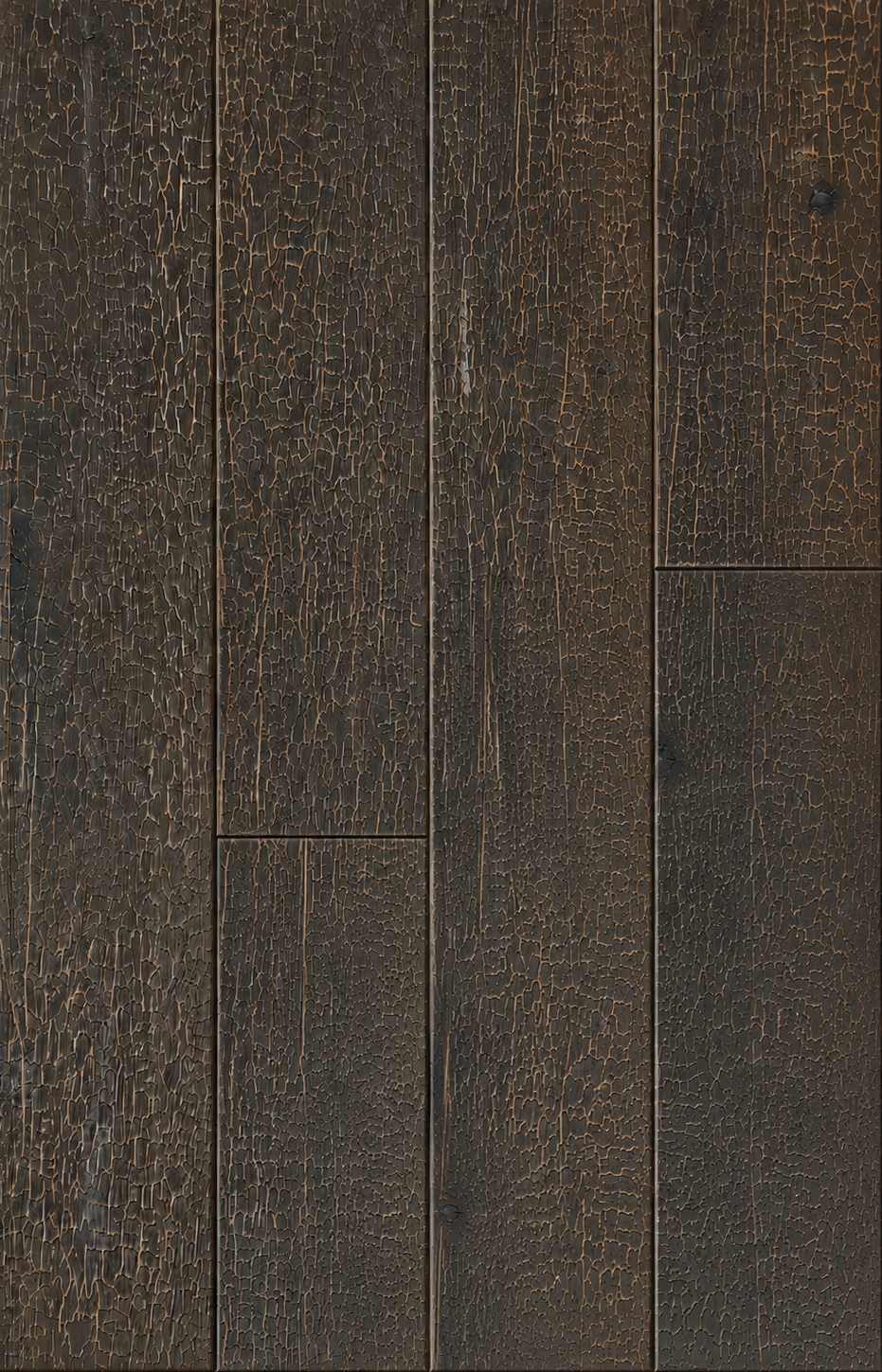
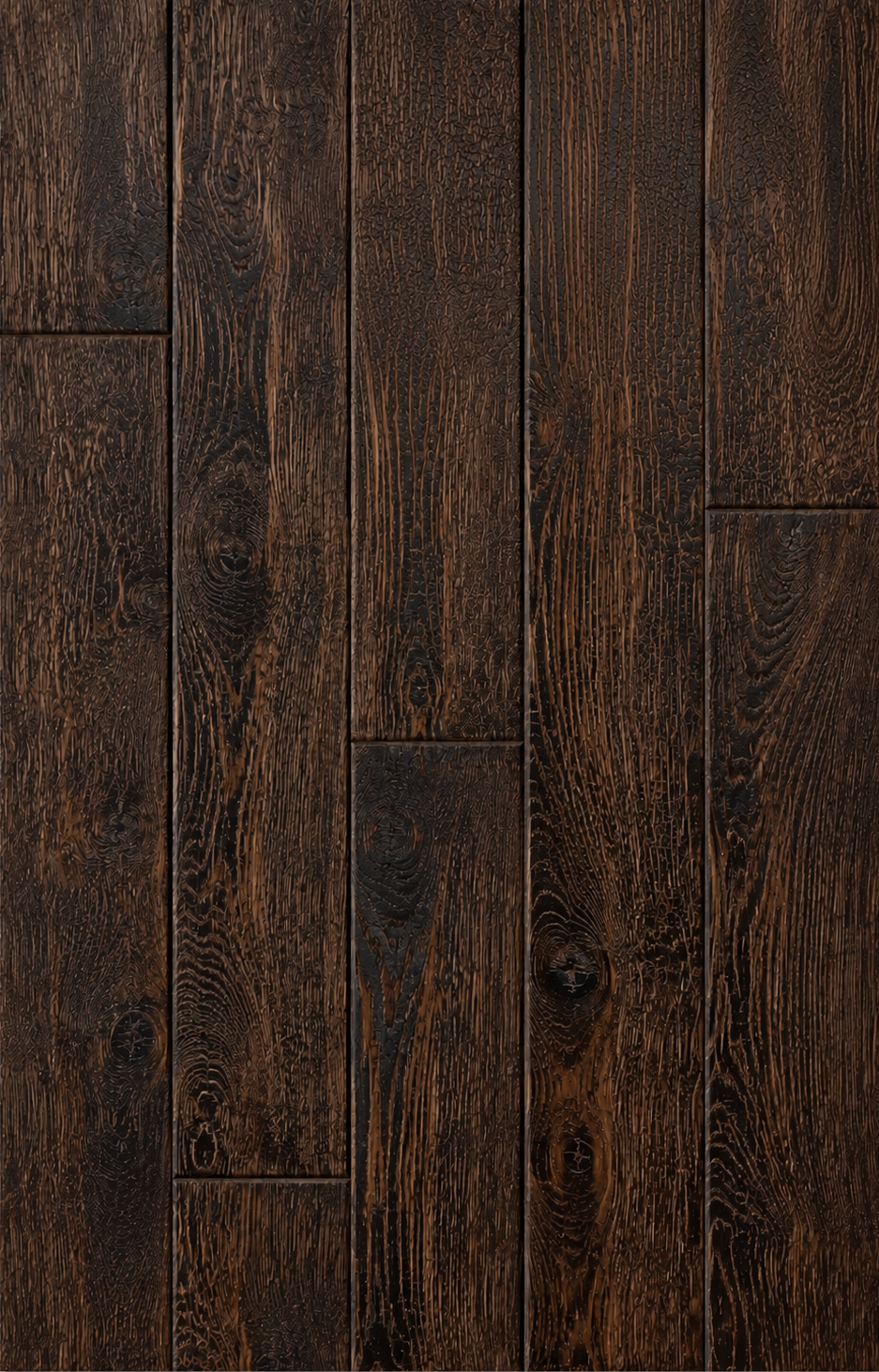
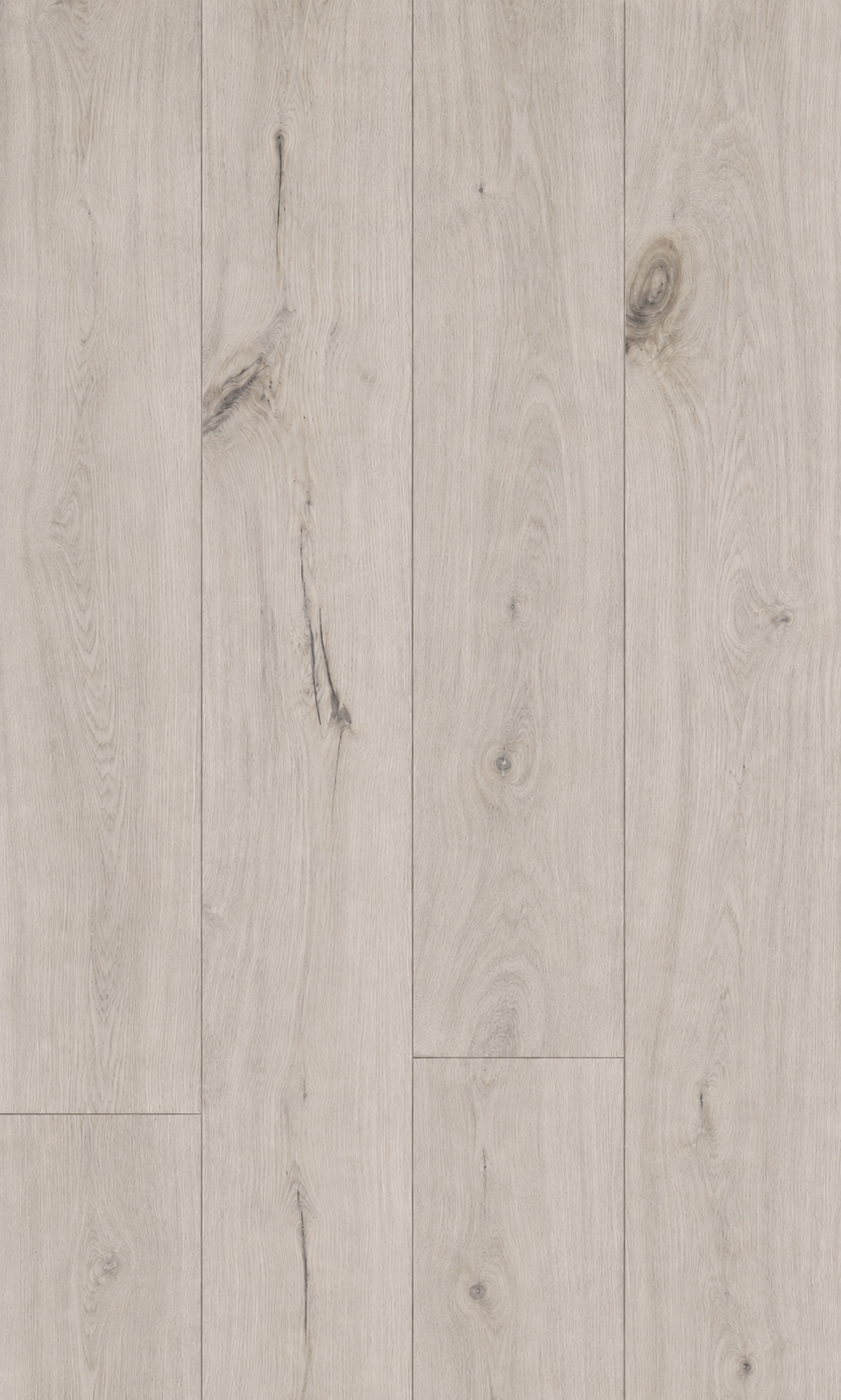
Essential Collection
View all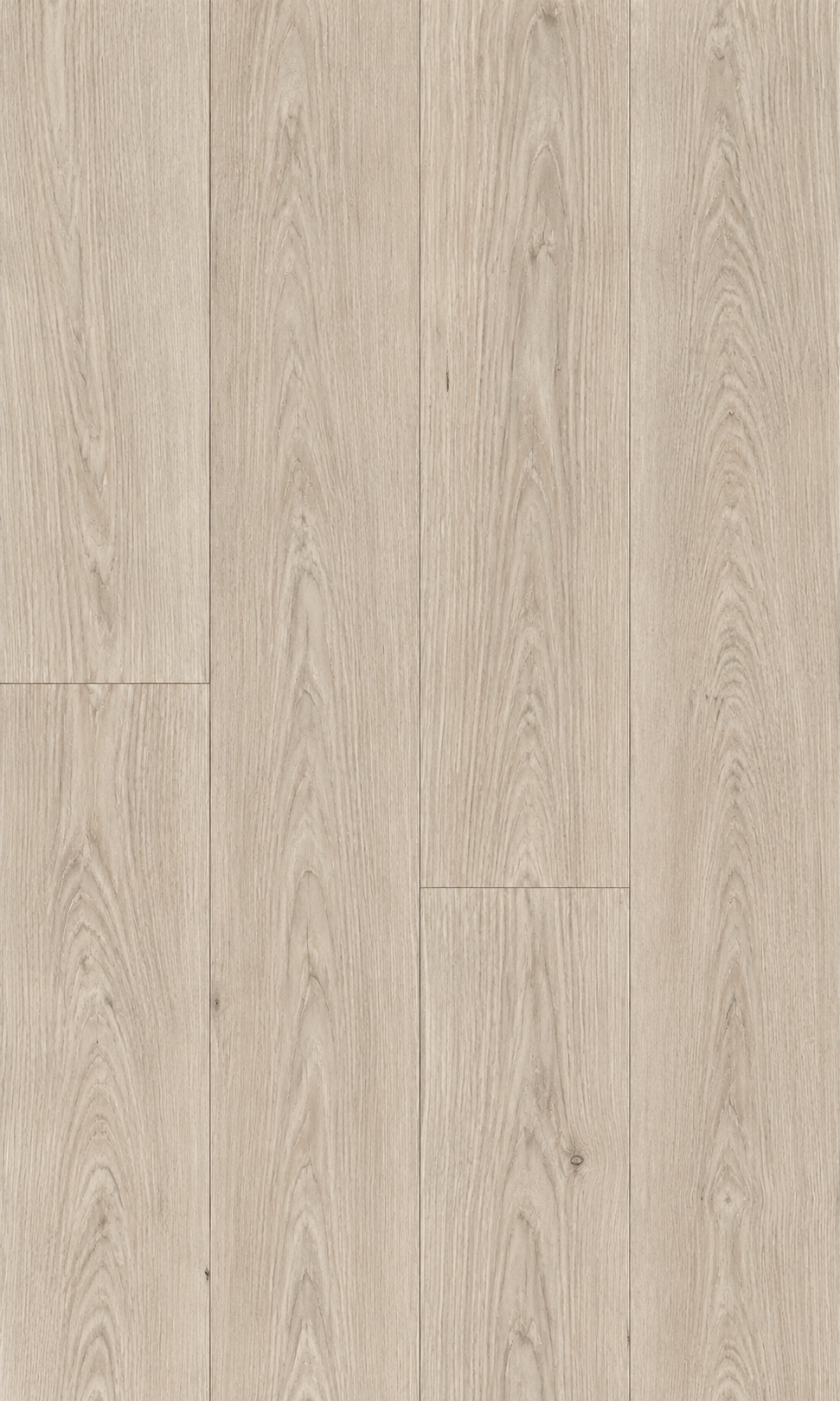
Sand Beige
ES-01-SB-00
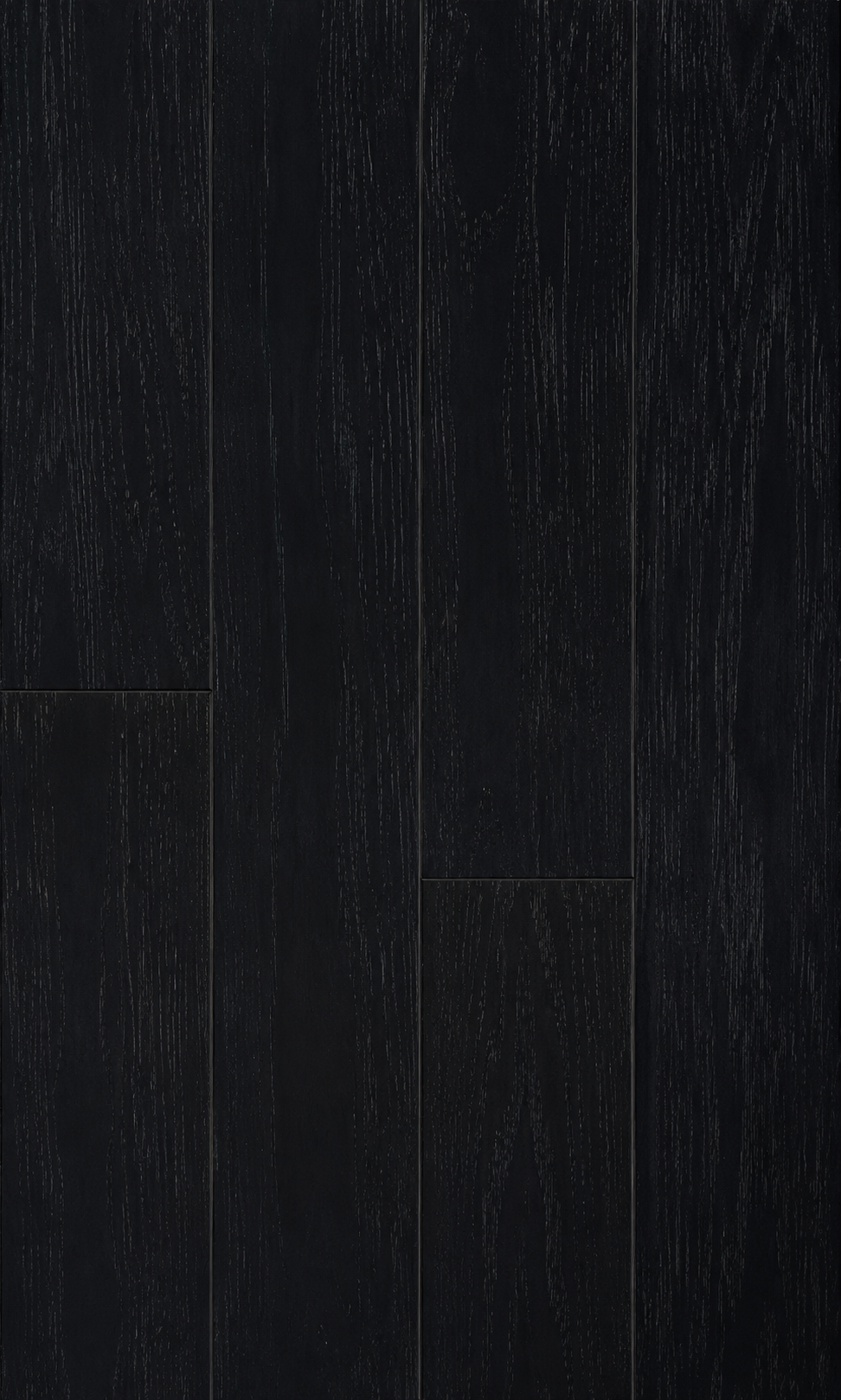
Midninght Black
ES-08-MB-00
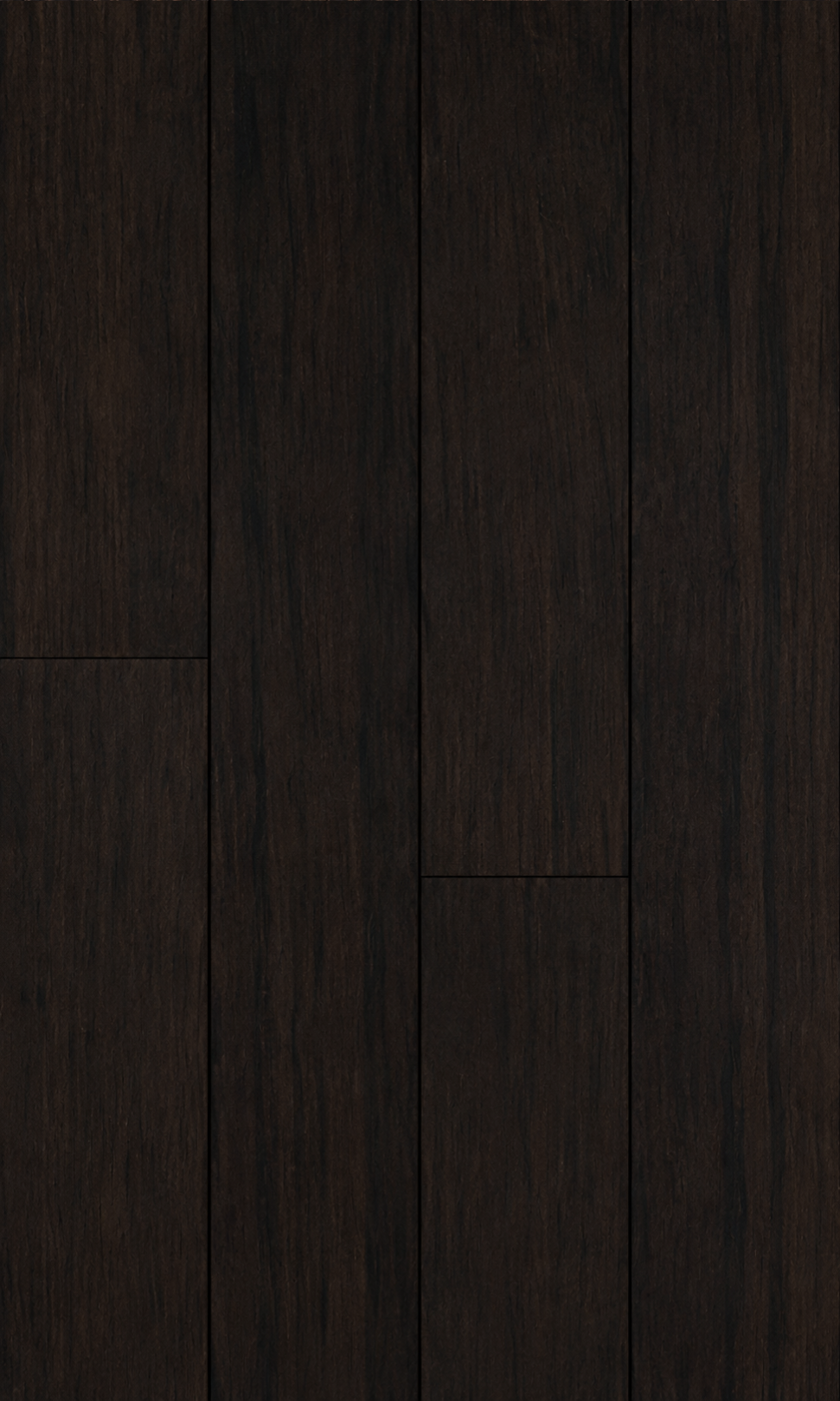
Dark Cocoa
ES-15-DC-00
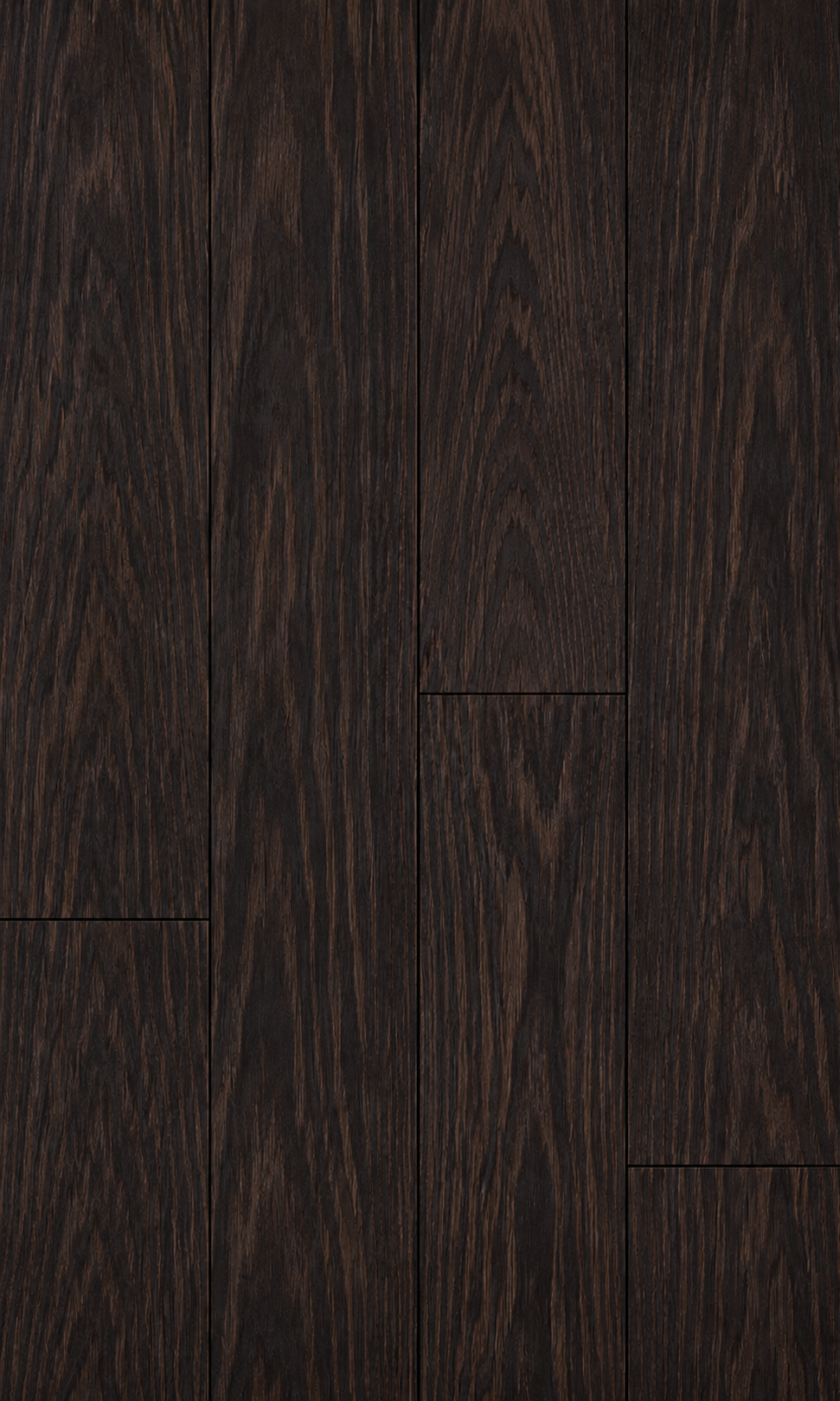
Tobacco Brown
ES-14-TB-00
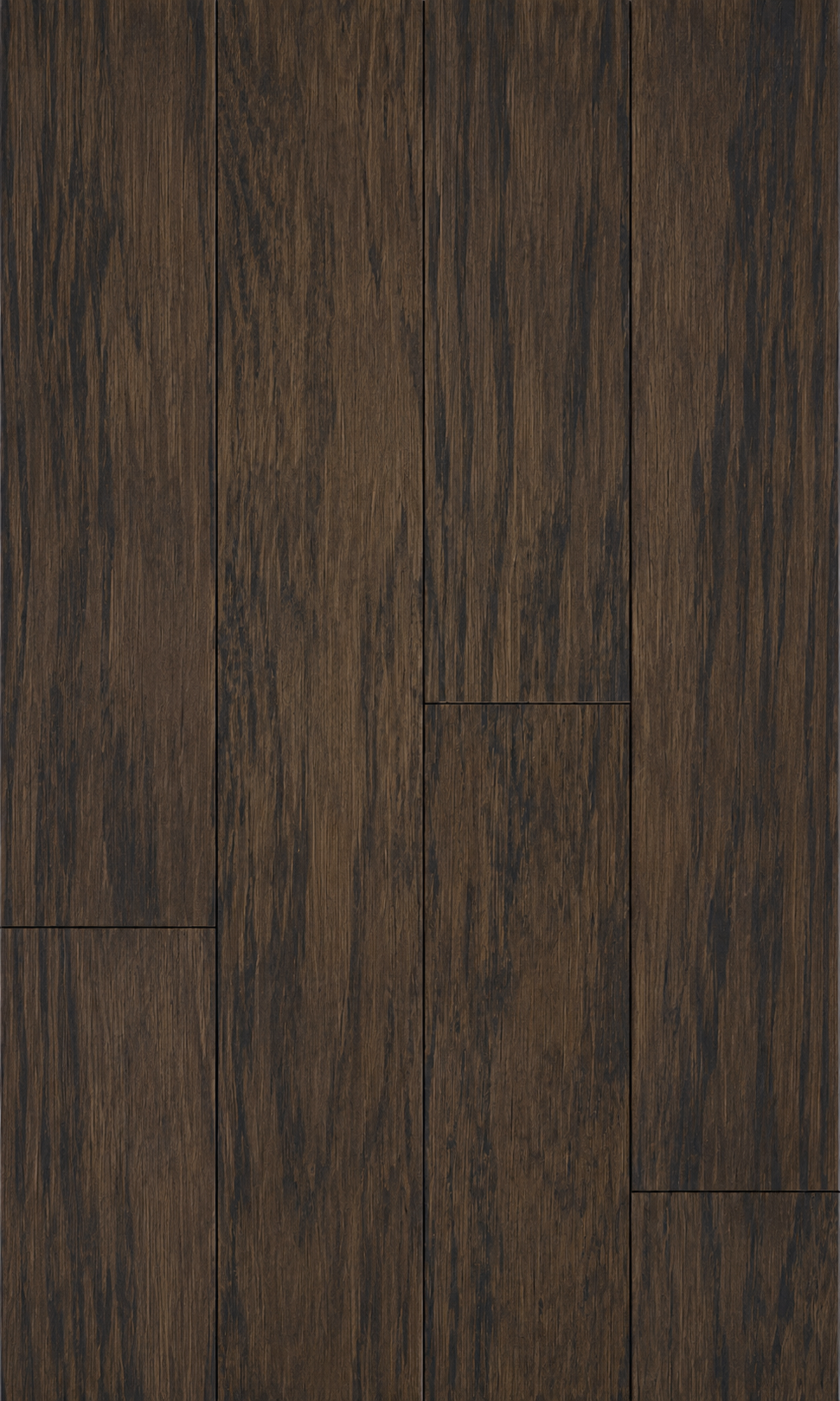
Expresso Oak
ES-13-EO-00
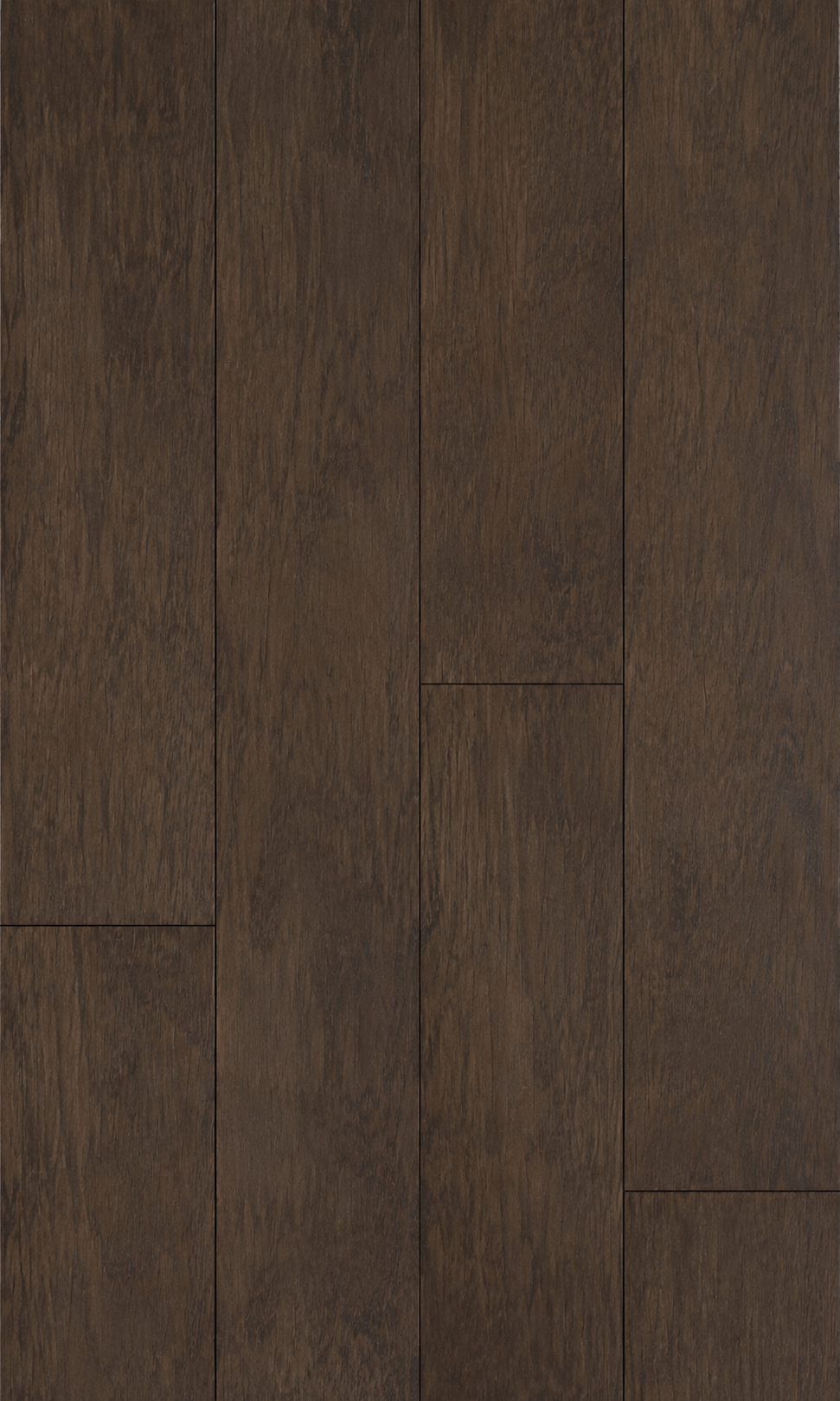
Mocha Brown Oak
ES-06-MO-00
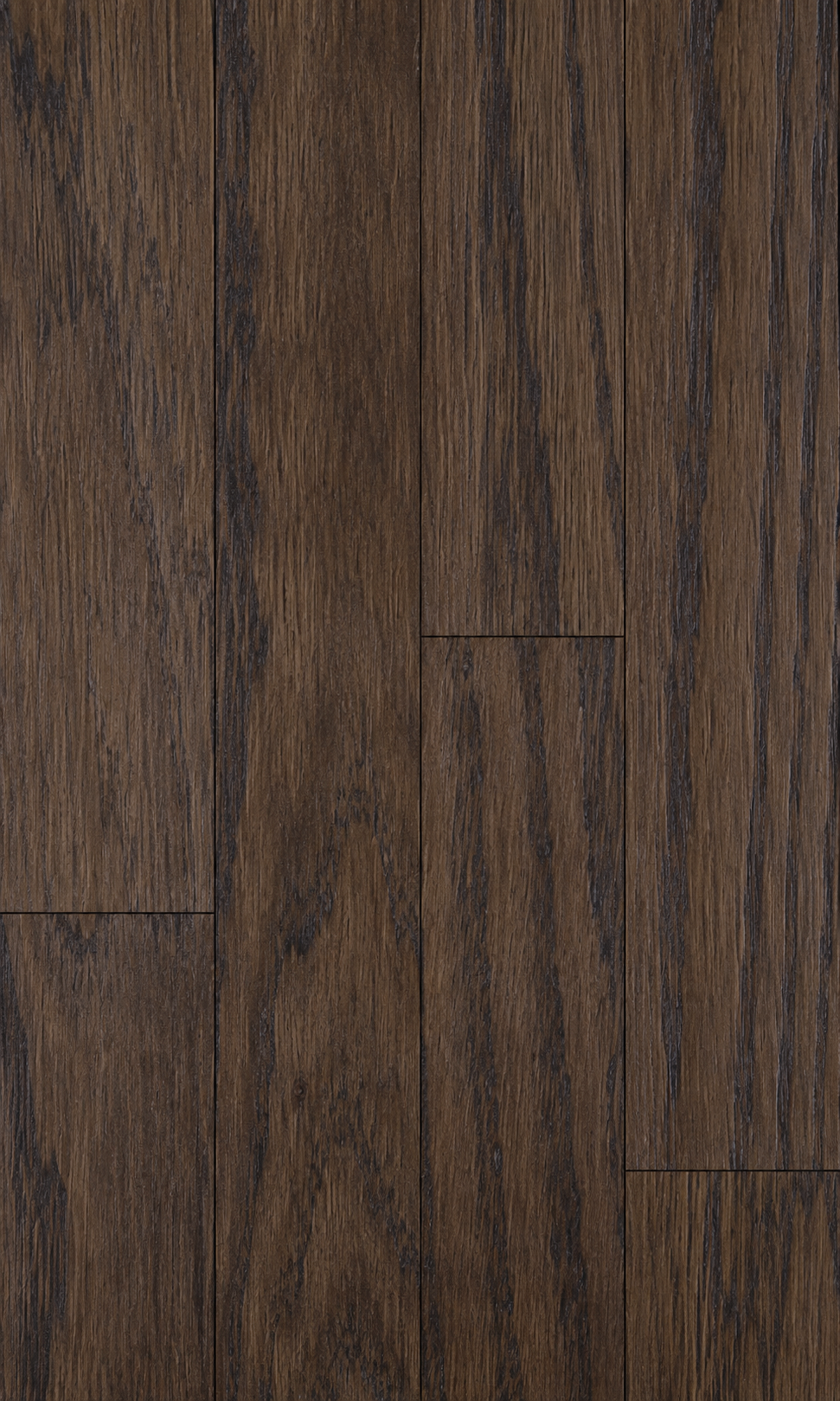
Chestnut Brown
ES-12-CB-00
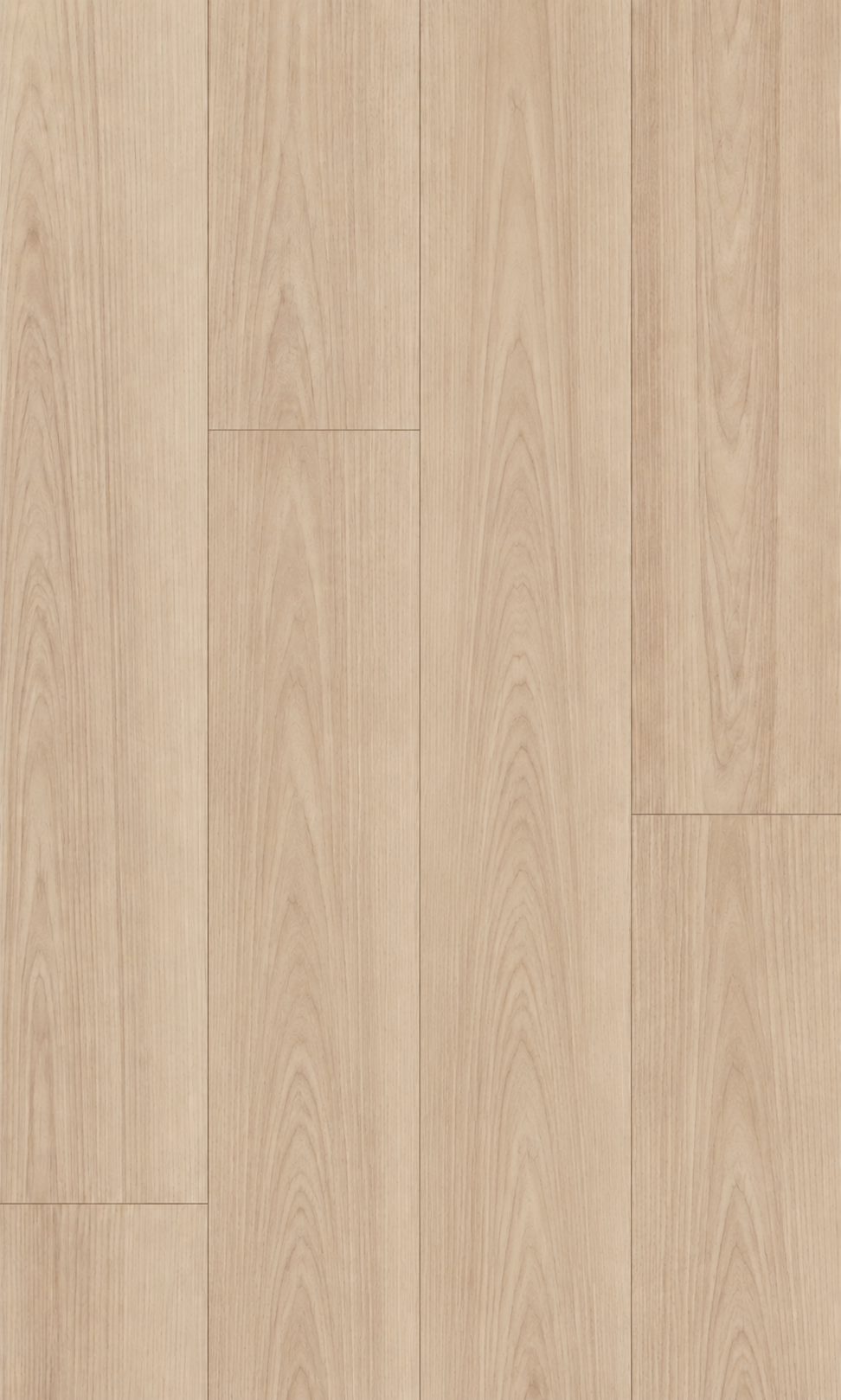
Light Natural Oak
ES-02-LN-00
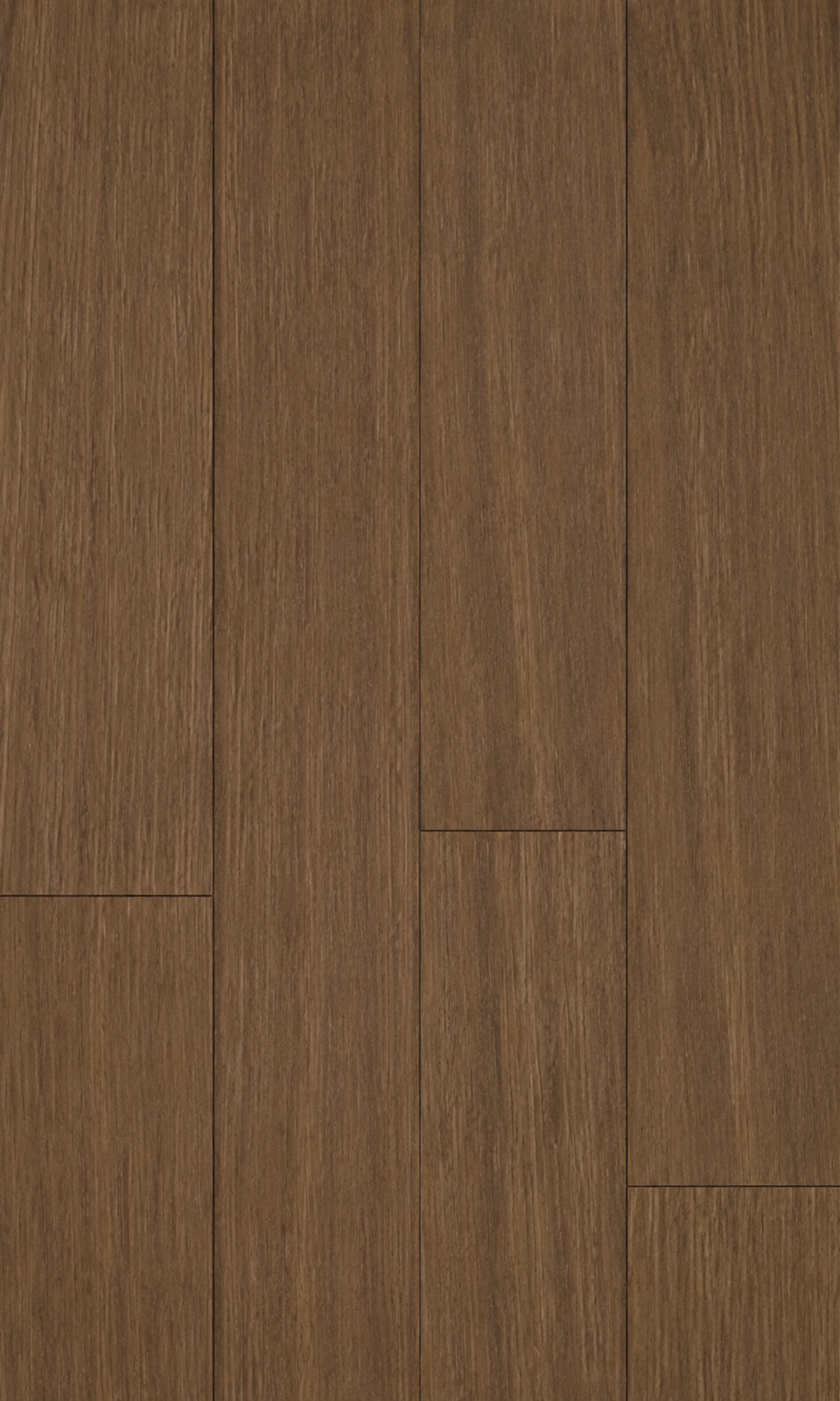
Dark Amber
ES-07-DA-00
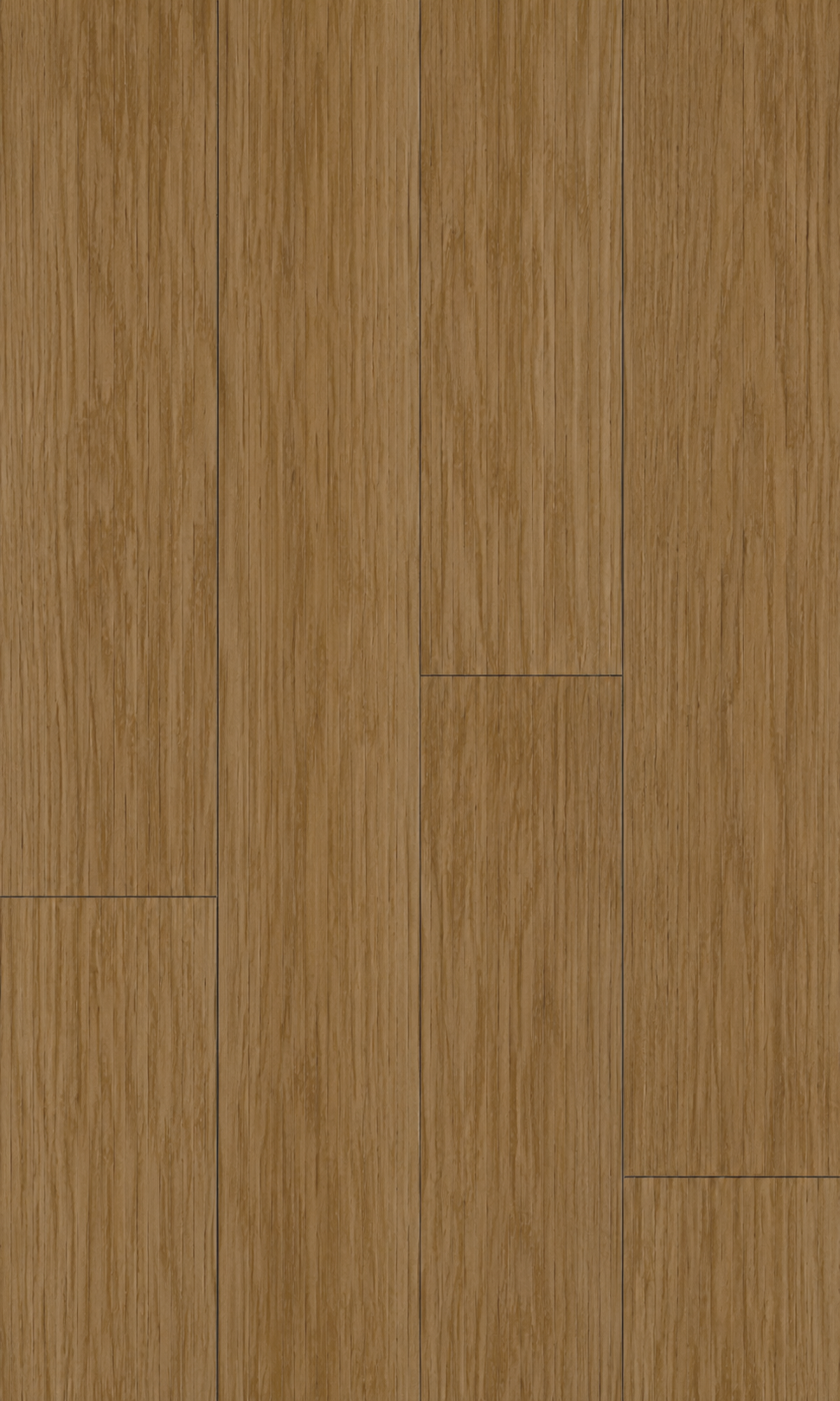
Maple Honey
ES-11-MH-00
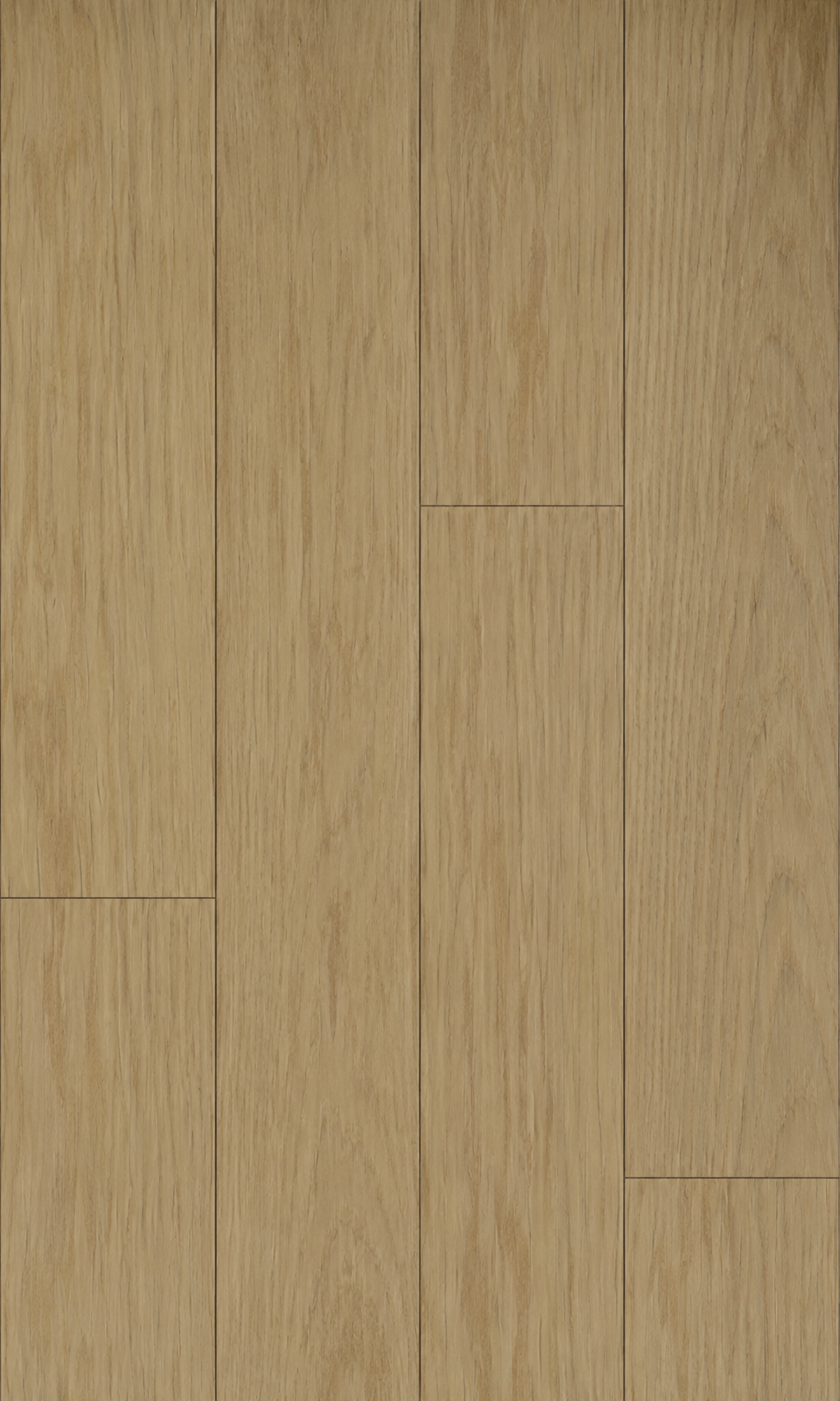
Sunny Sand
ES-10-SS-00
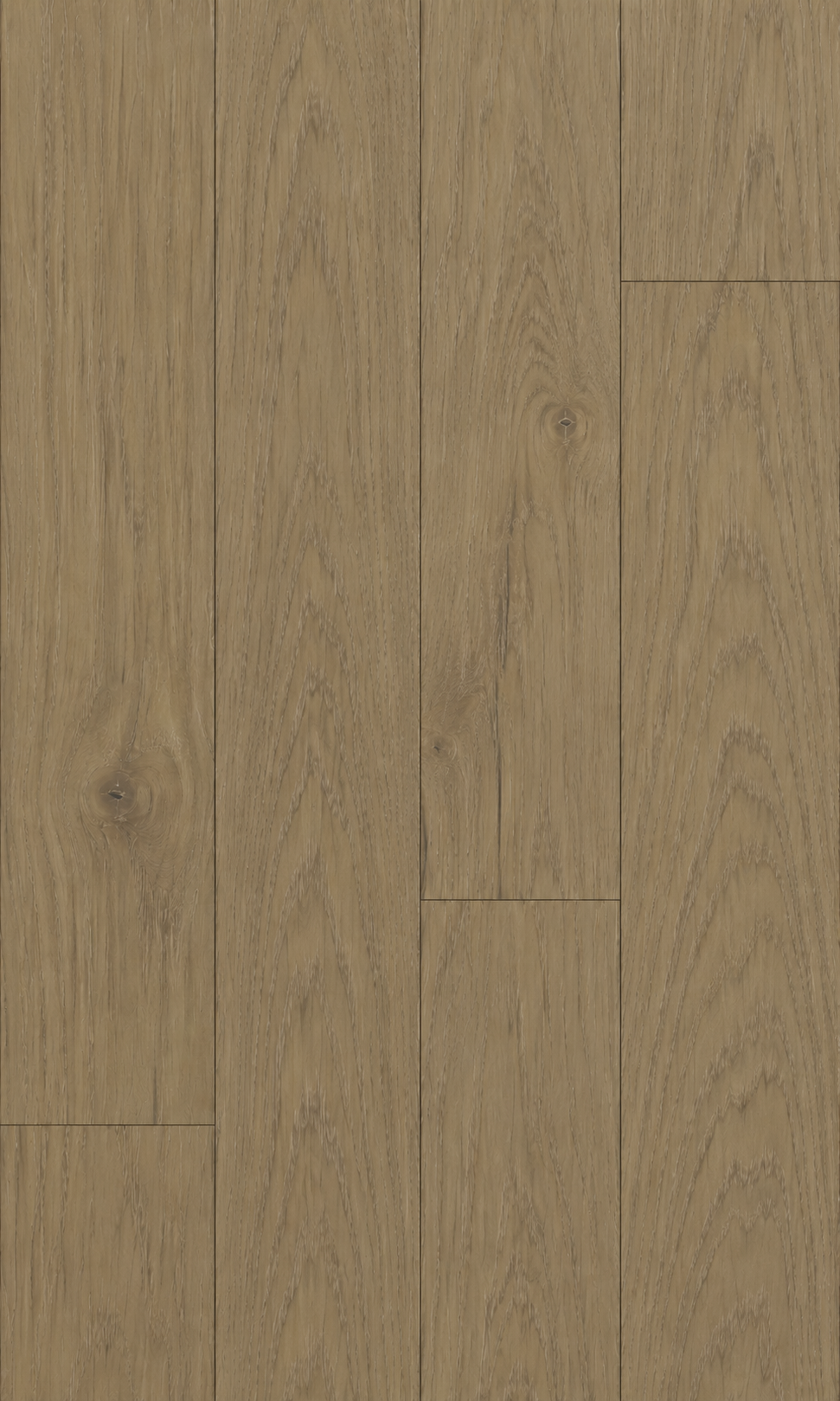
Natural Oak
ES-03-NO-00
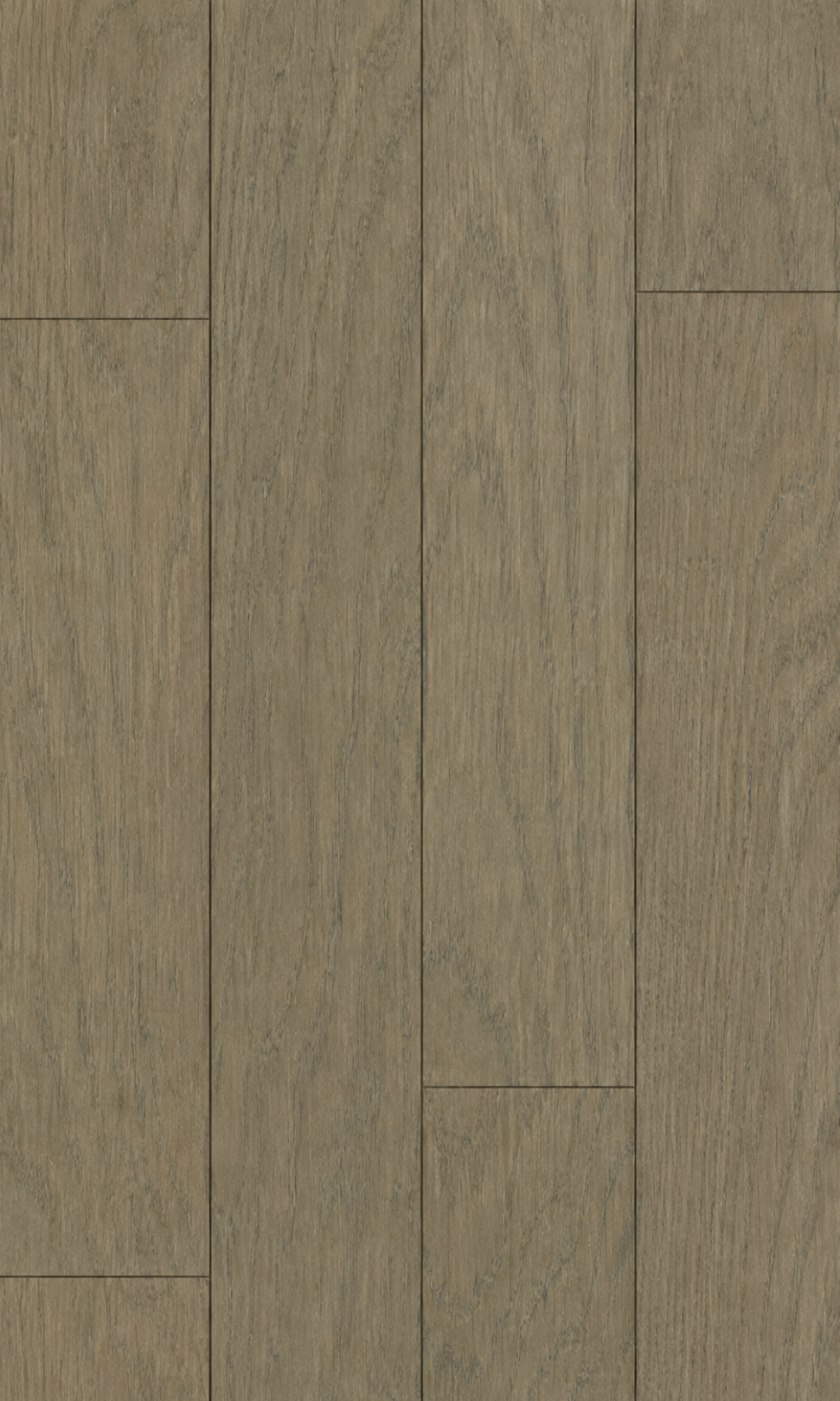
Earth Brown
ES-05-EB-00
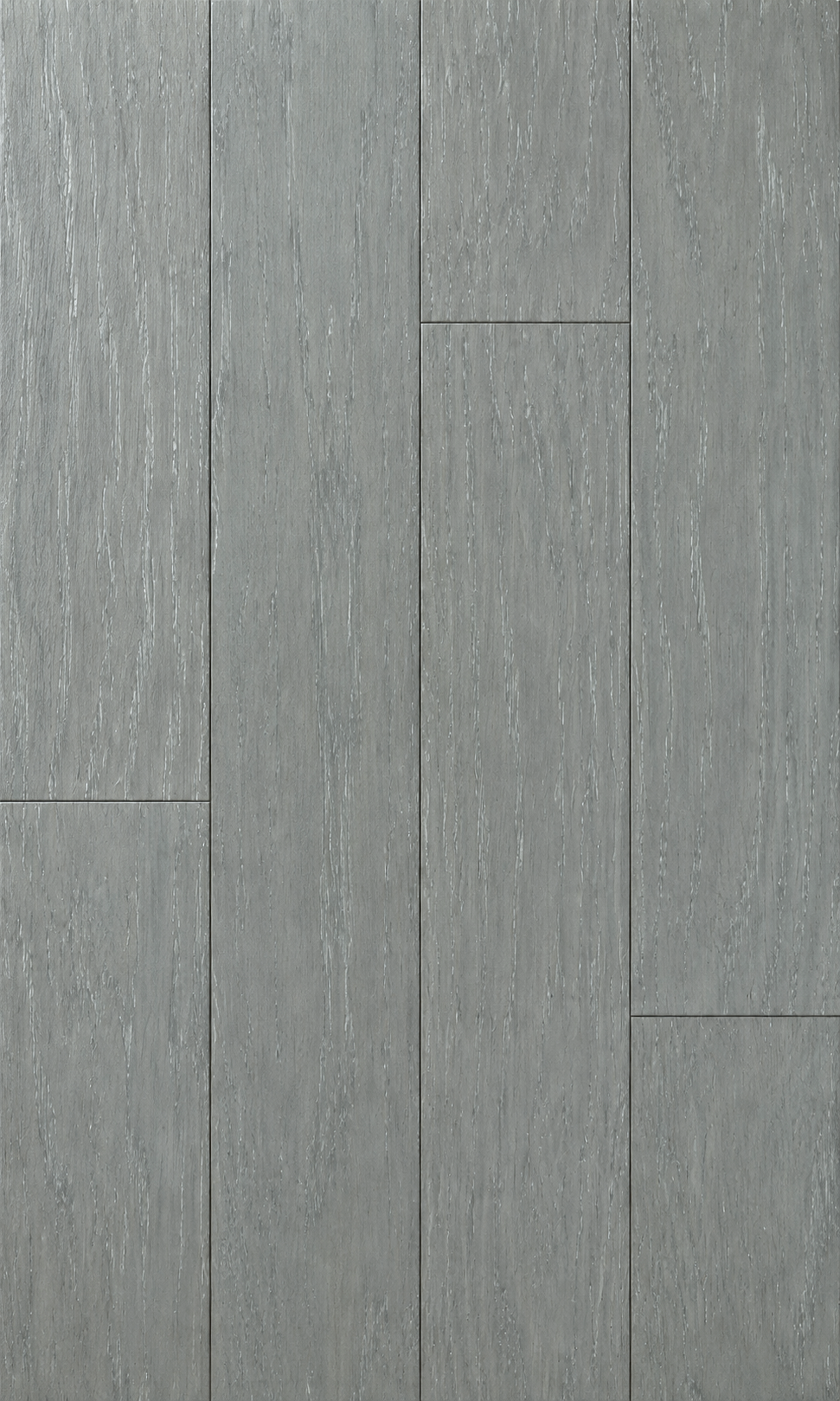
Misty Grey
ES-09-MG-00
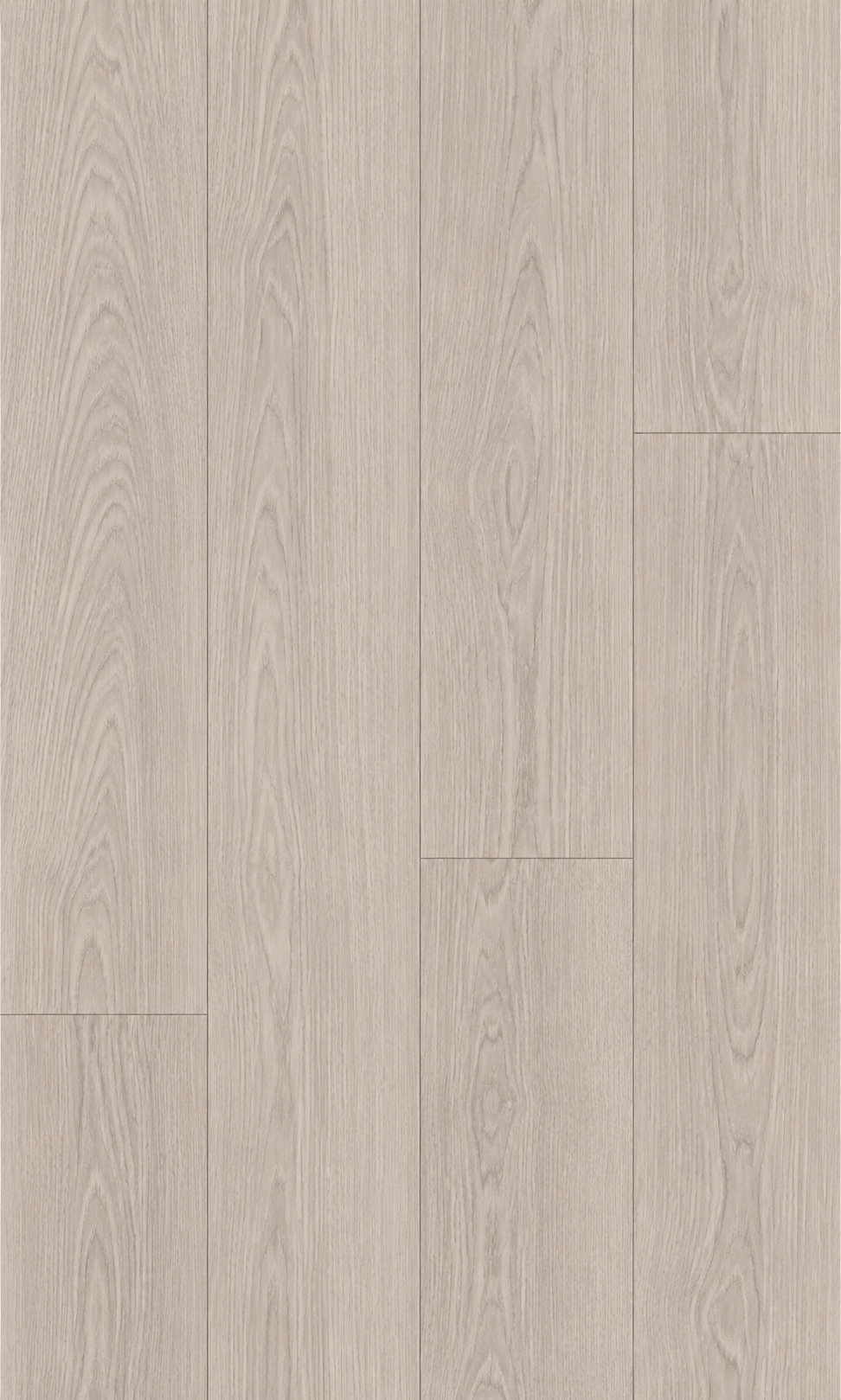
Ash Grey Oak
ES-04-AG-00
Artistry Collection
View all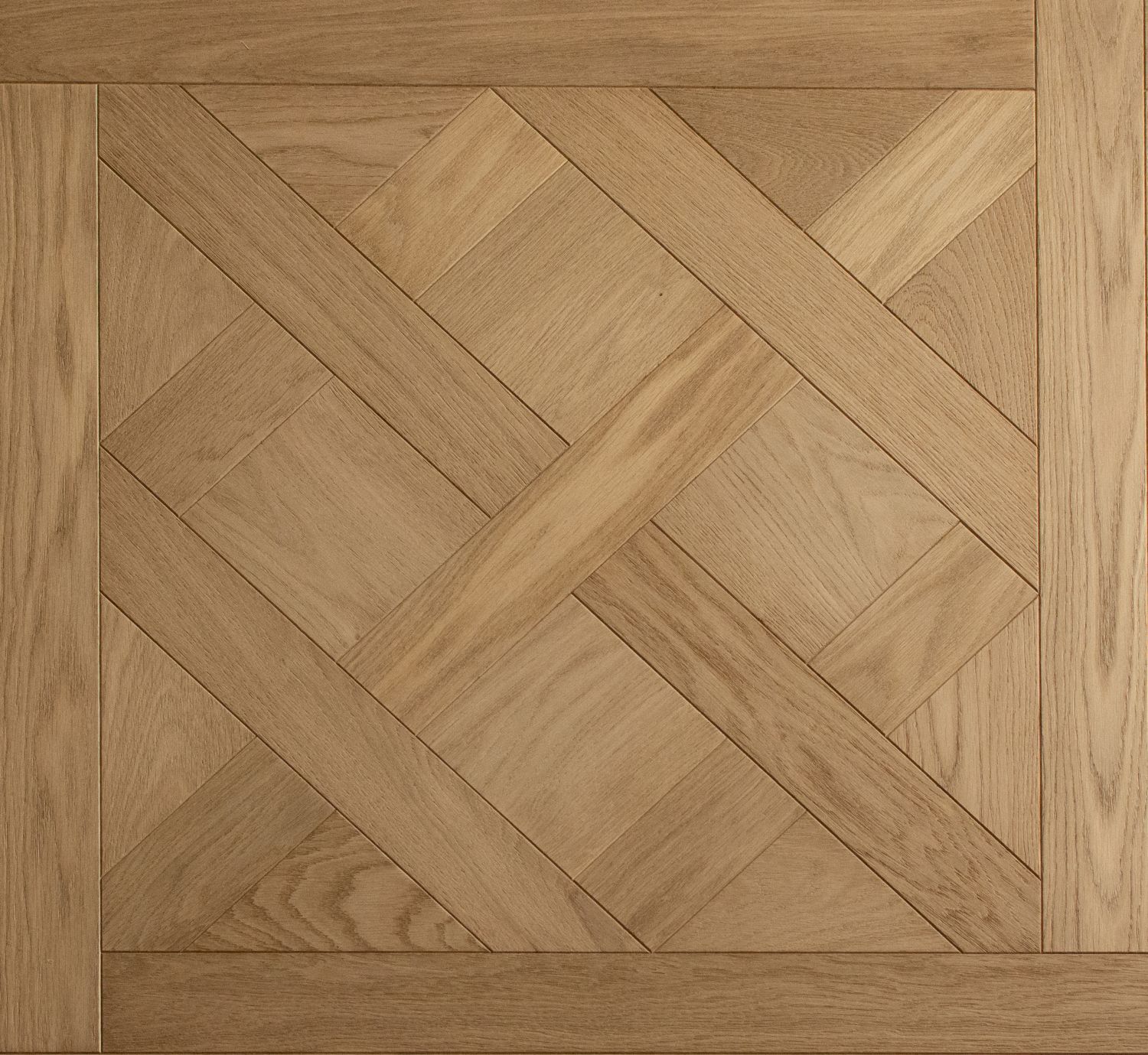
Honey Maison Weave
AR-11-HN-MW
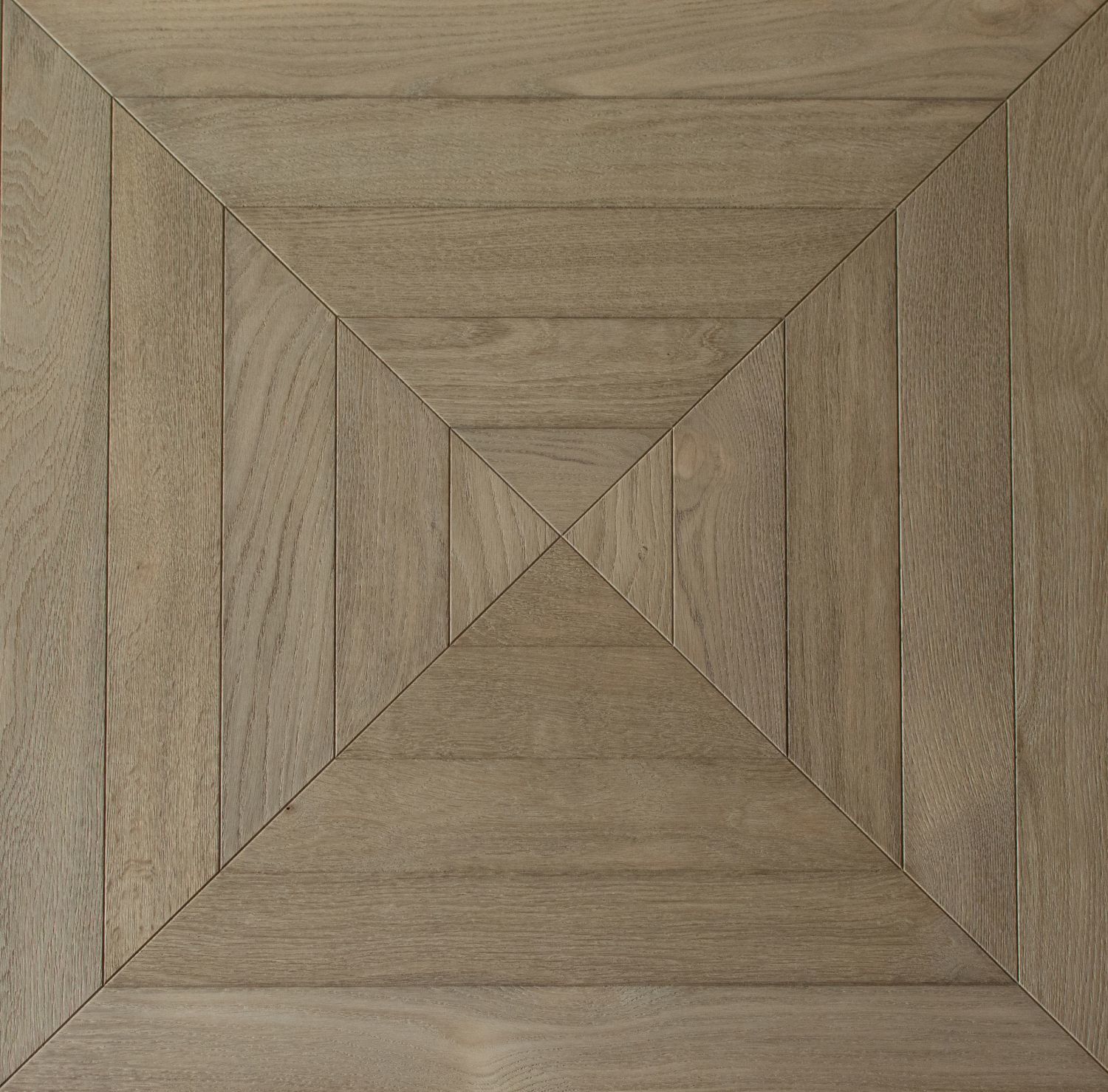
Taupe Pyramid Oak
AR-12-TP-PO
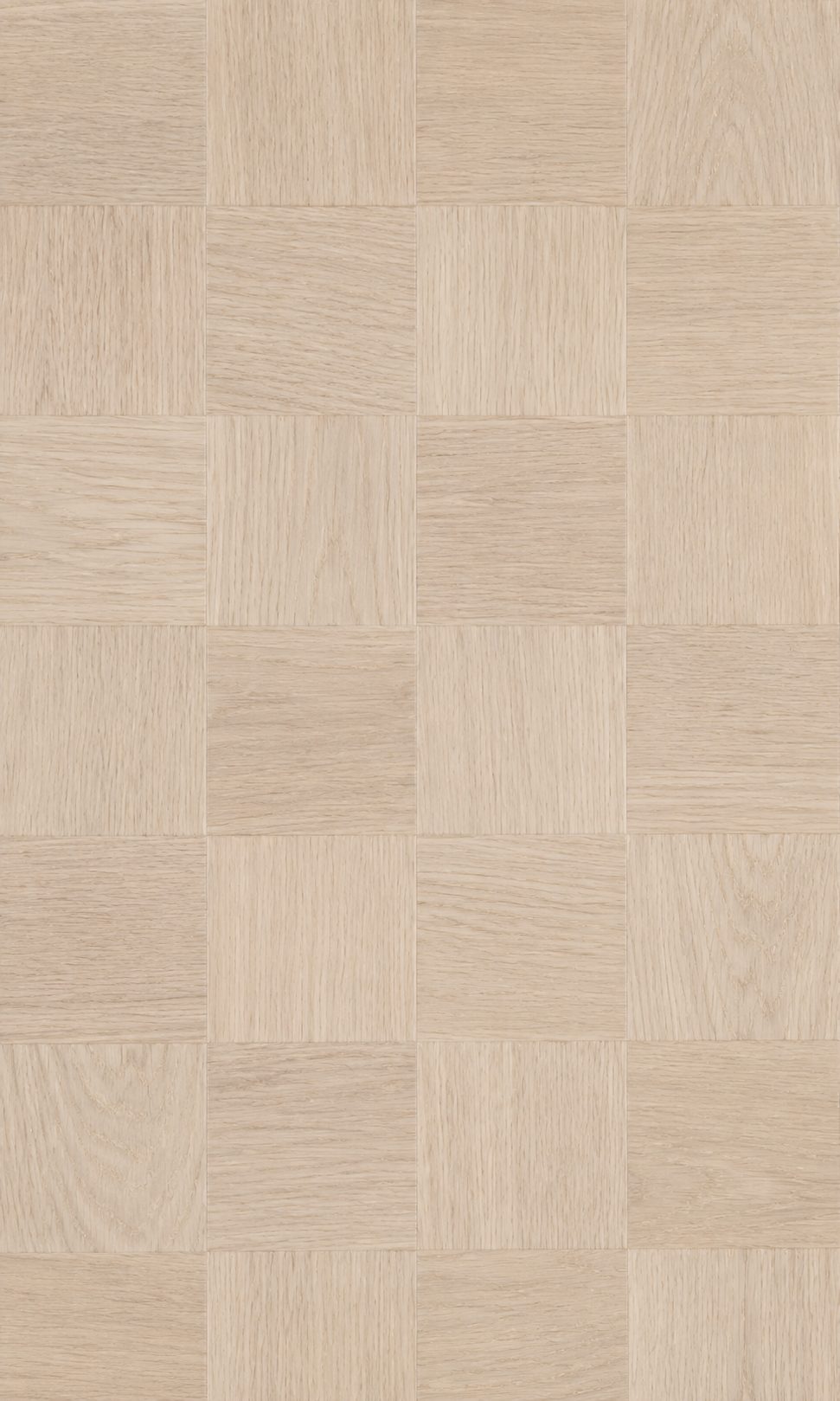
Light Beige Large Mosaic
AR-08-LB-LM
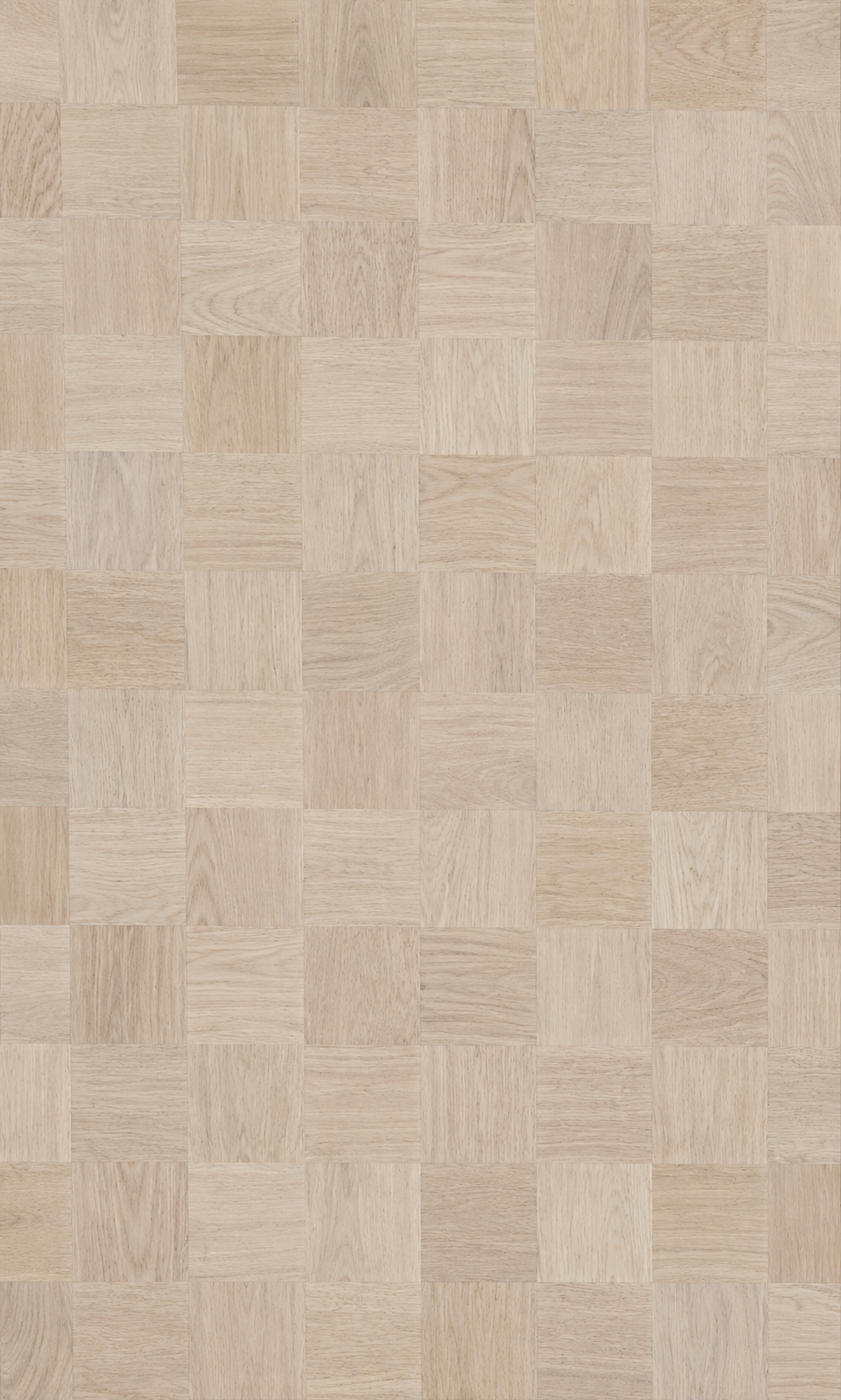
Light Beige Mosaic
AR-09-LB-MM
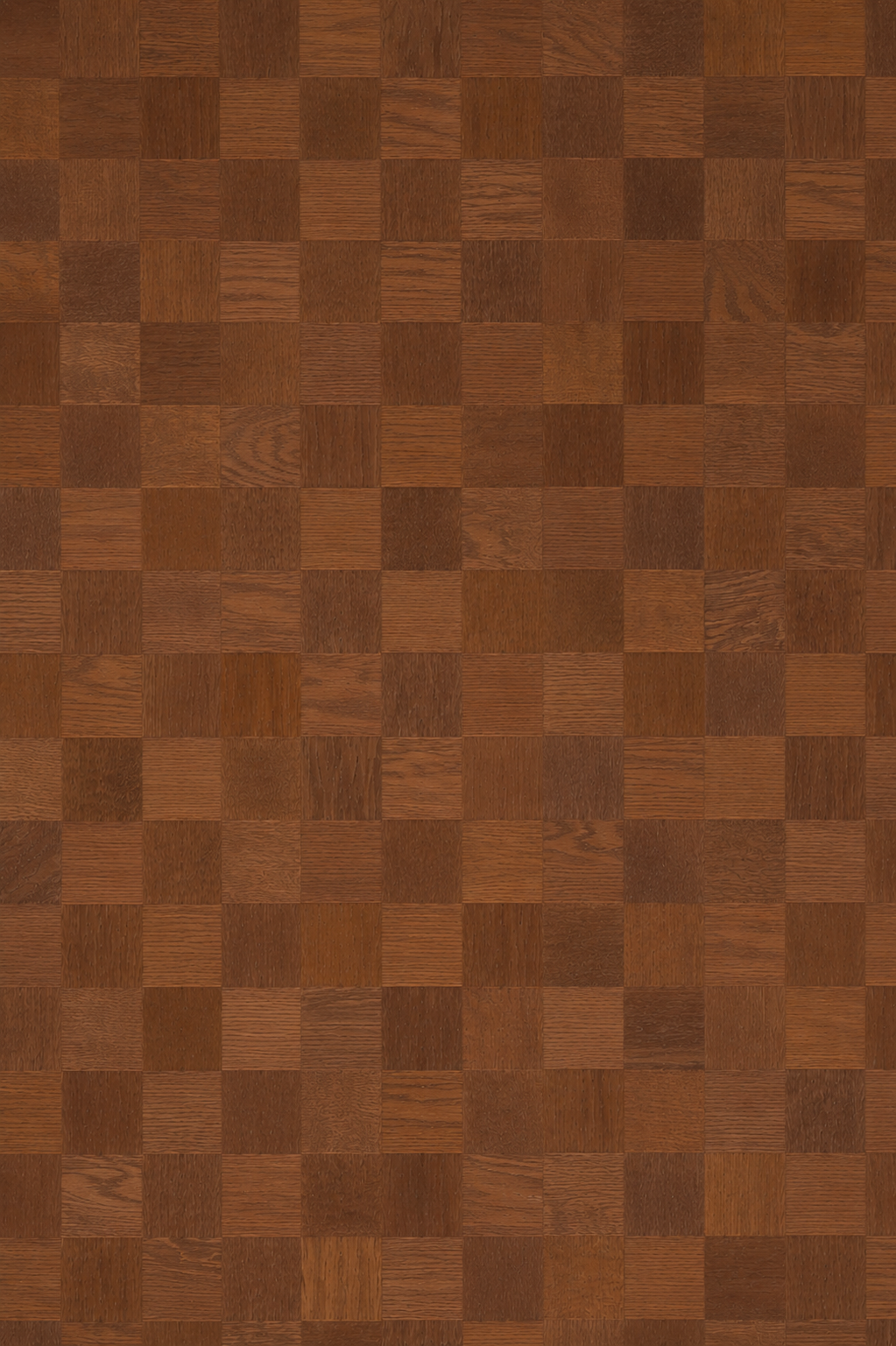
Amber Glam Mosaic
AR-09-AG-MM
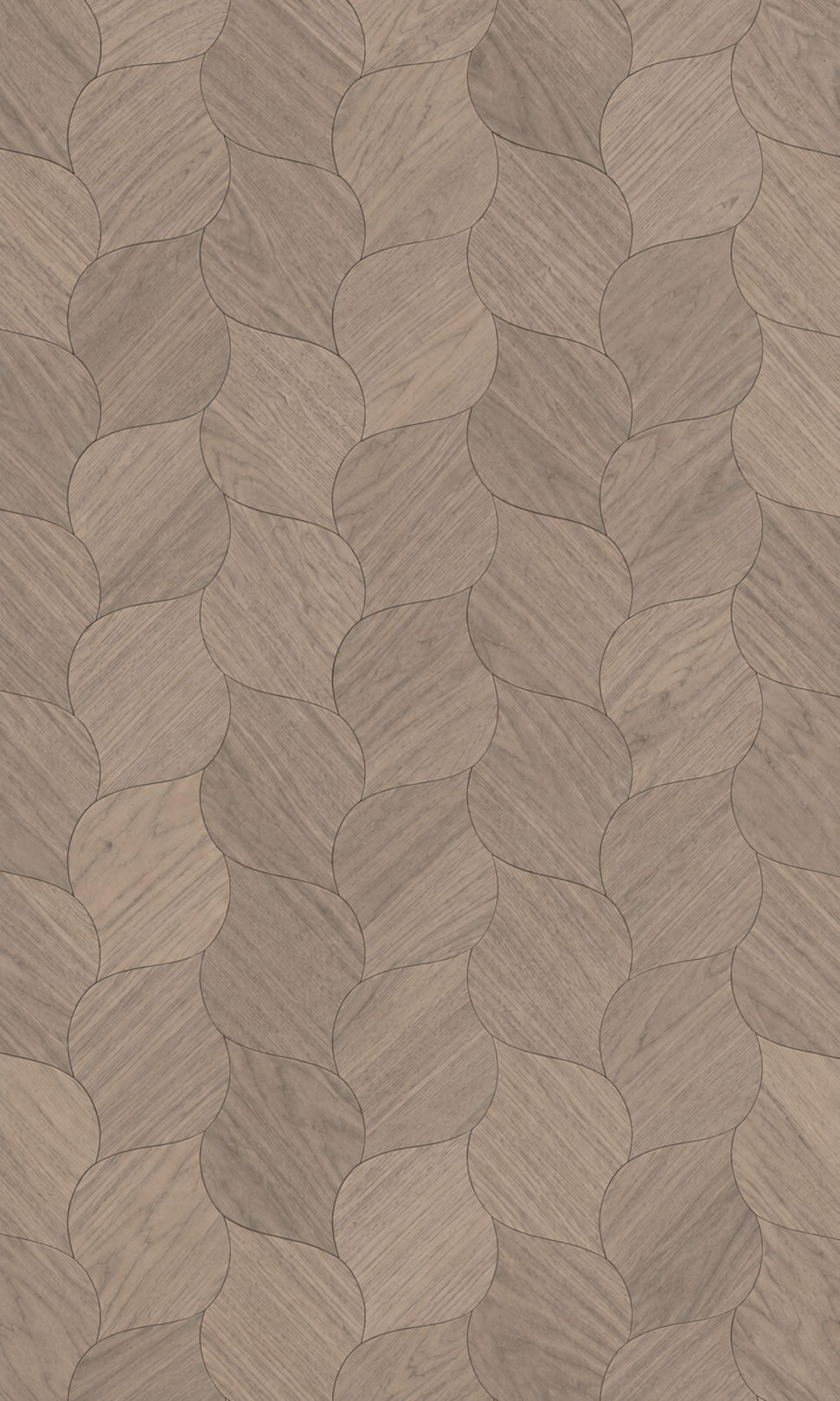
Vine Leaf Pattern
AR-05-00-VL
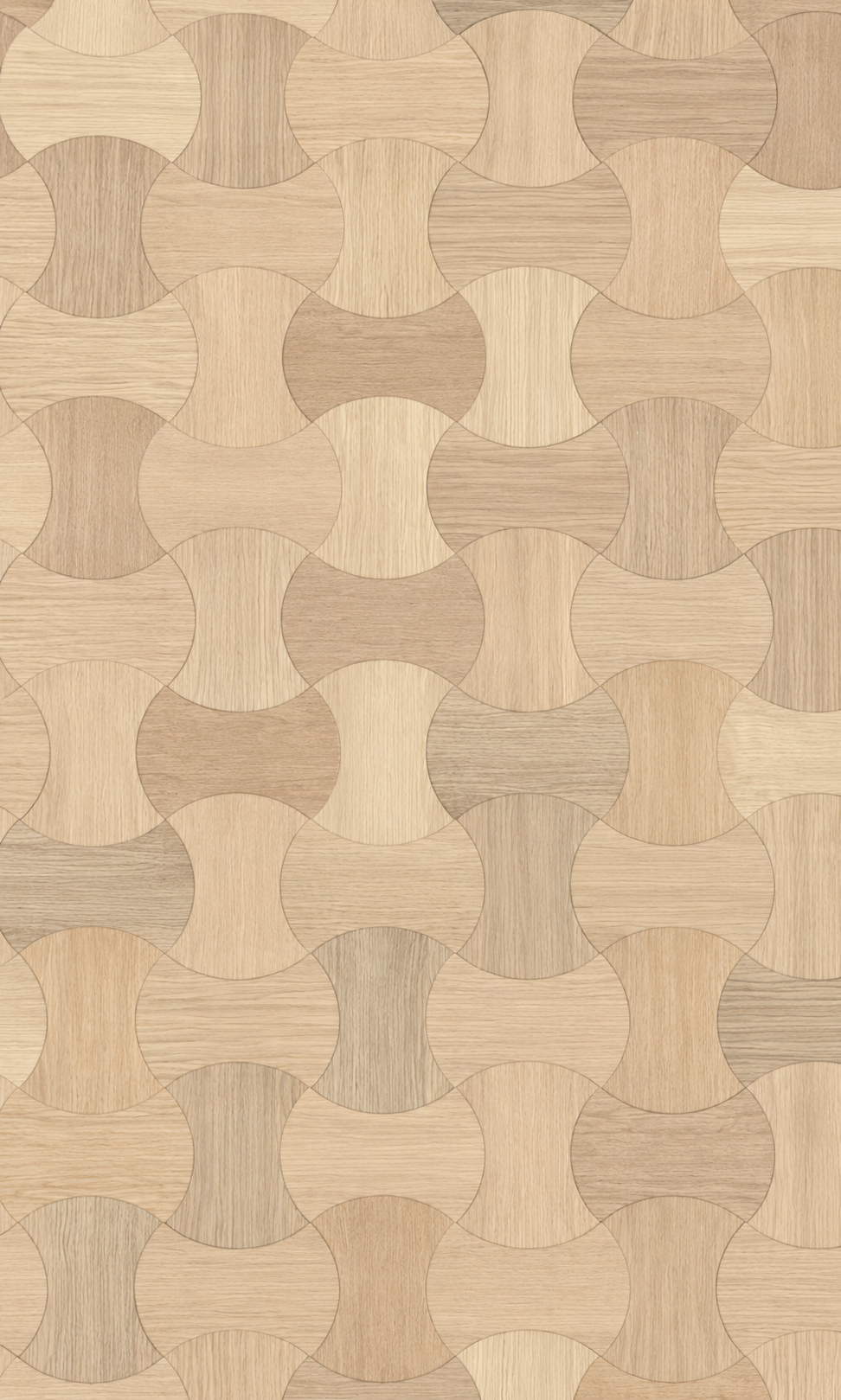
Hourglass Pattern
AR-04-00-HG
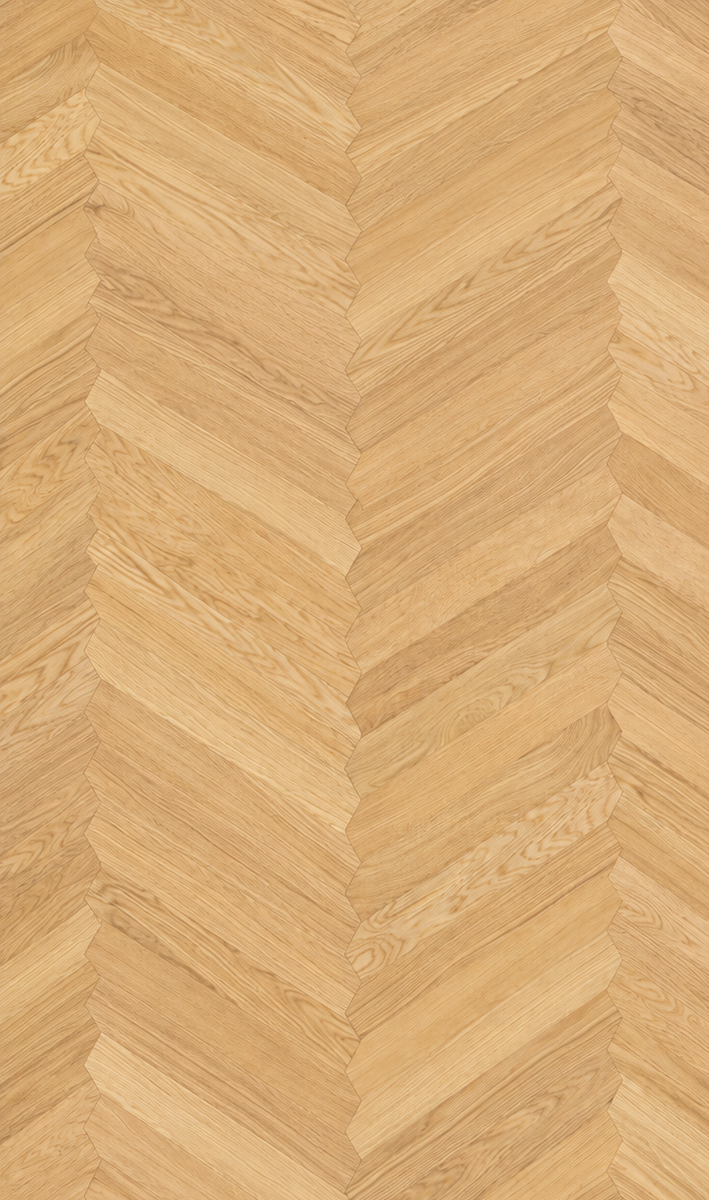
Alpine Herring Pattern
AR-03-00-AH
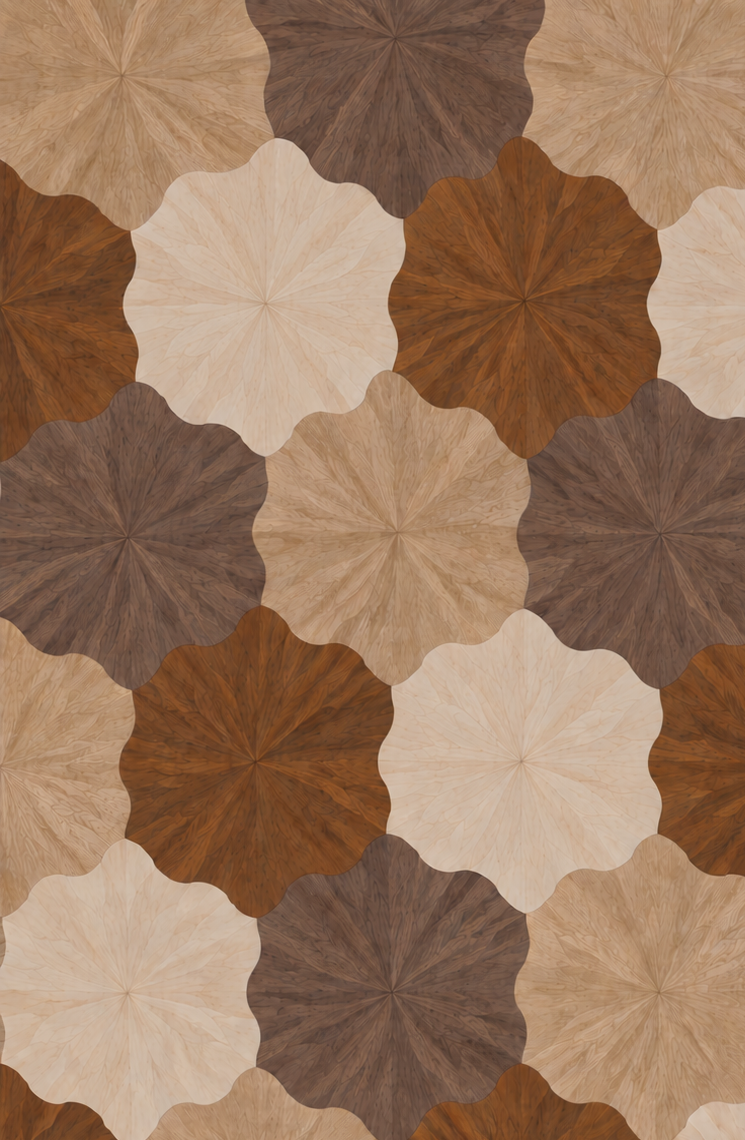
Lotus Bloom Pattern
AR-07-MT-LB
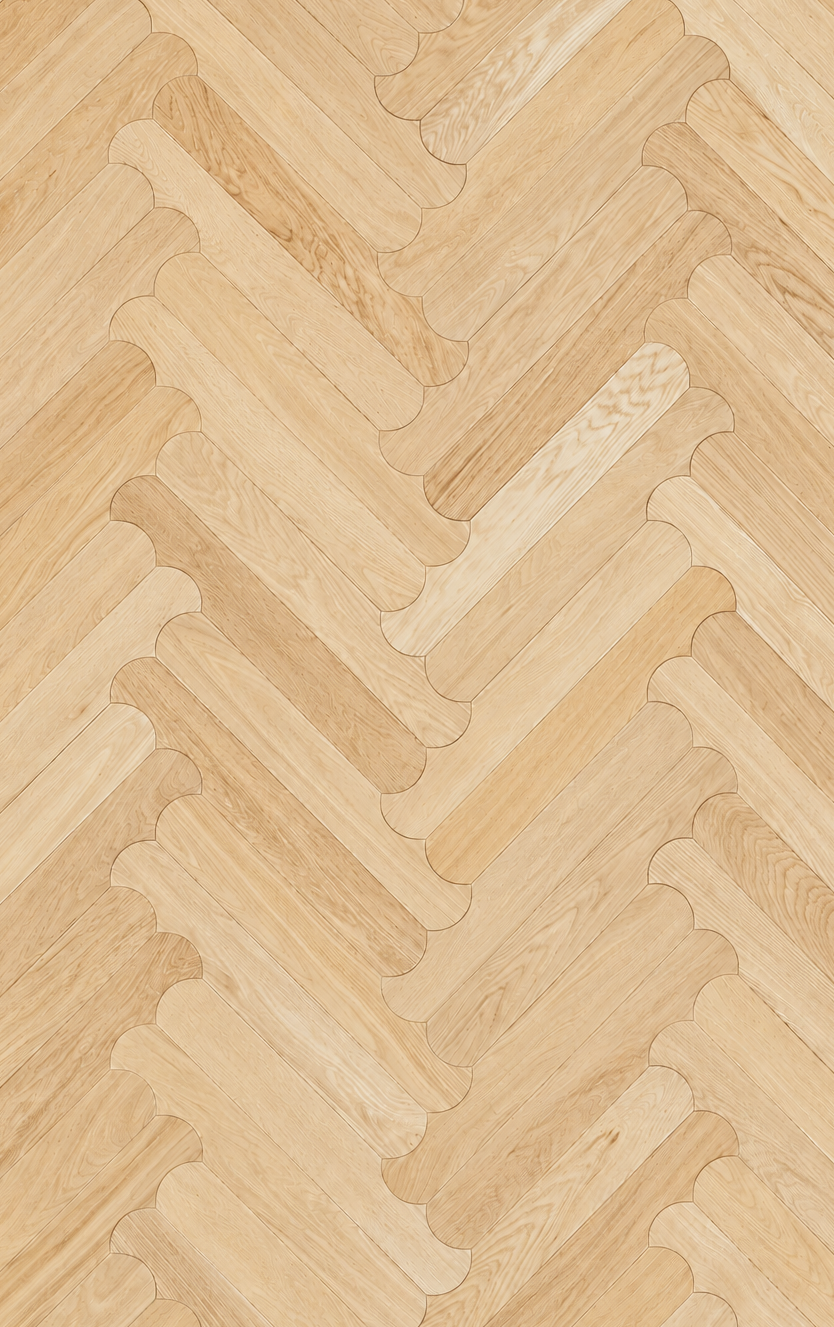
Soft Herring Pattern
AR-02-00-SH
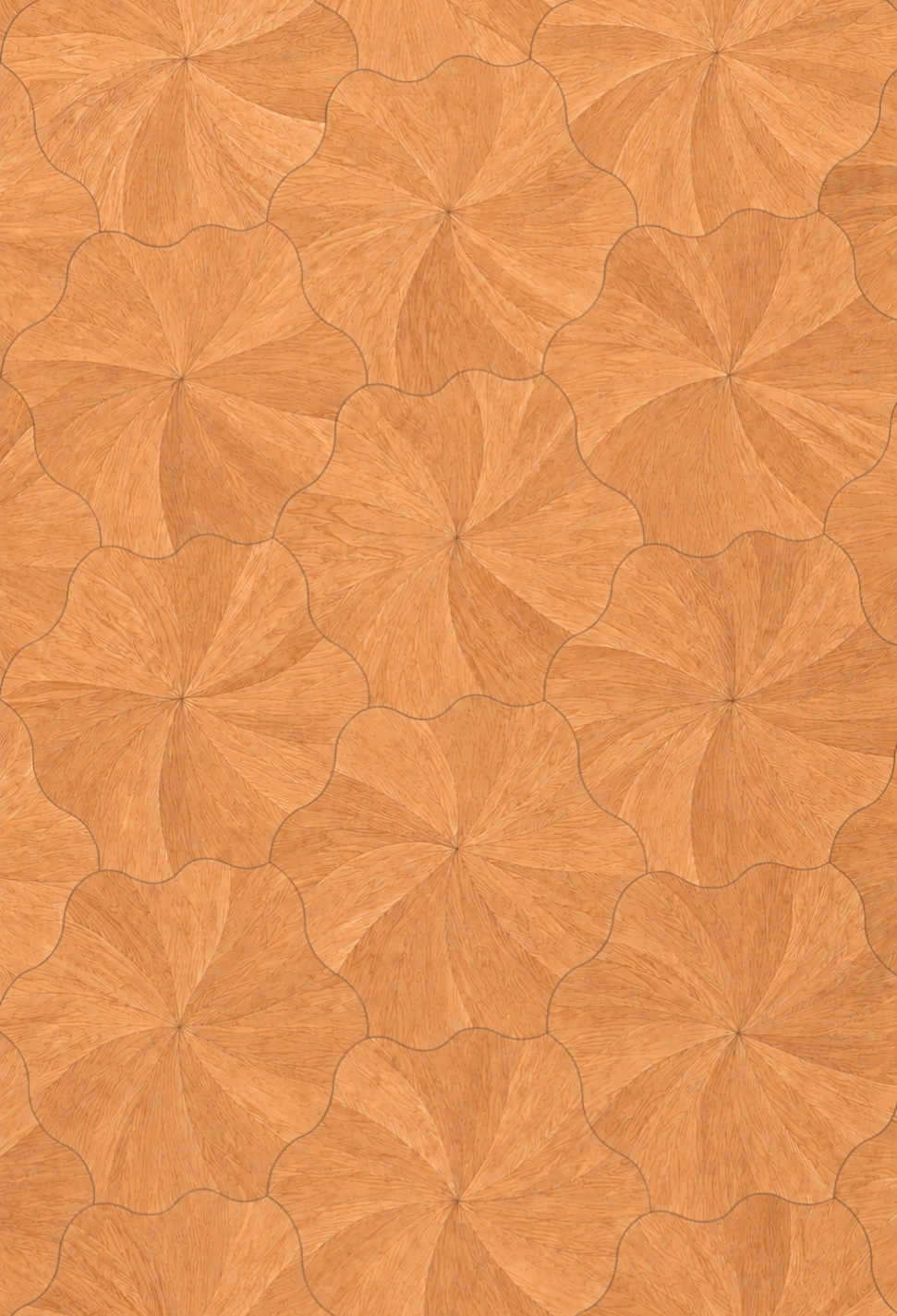
Lotus Bloom Pattern
AR-07-00-LB
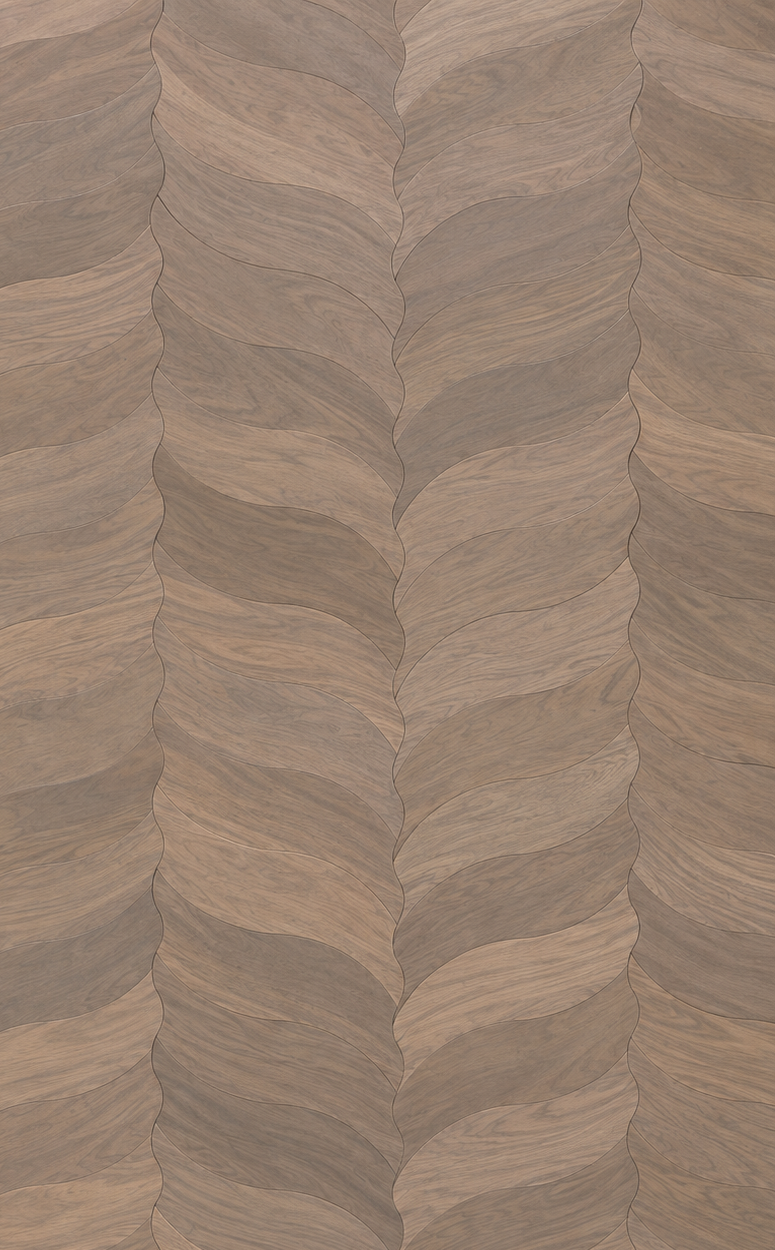
Long Leaf Pattern
AR-01-00-LL
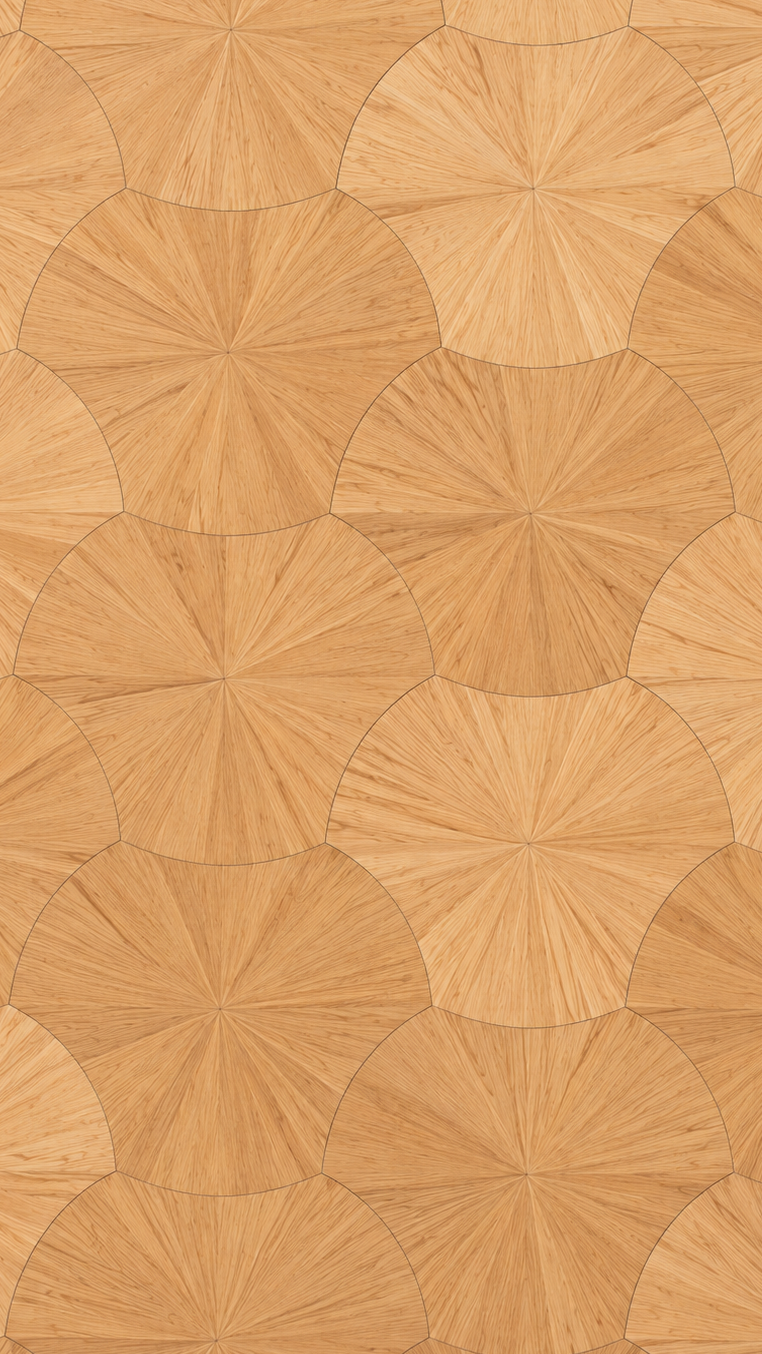
Lucky Sun Pattern
AR-06-00-LS
CHATTEX engineered wood flooring Designed to complete every experience.
CHATTEX brings timeless elegance to modern interiors through expertly crafted engineered wood flooring. Each plank combines natural beauty with lasting durability, delivering refined textures and superior stability. More than just flooring, CHATTEX creates a foundation for exceptional living where comfort meets understated luxury.
Read more