Mid-Century Modern: How to Make It Feel Classic, Not Dated
Detail
Mid-Century Modern: How to Make It Feel Classic, Not Dated
Mid-Century Modern is known for its clean lines, distinctive furniture, and warm use of natural wood.
Although the style originated in the mid-20th century, today’s Mid-Century interiors are not about recreating a home from the 1950s or 60s. Instead, they bring the forms, colors, and materials of the era into a more contemporary setting.
What Is Mid-Century Modern?
At the heart of Mid-Century Modern is the idea of form following function.
Furniture and interiors are usually simple and practical, but still full of character through proportion, curves, and material choices.
Typical elements include low-profile sofas, tapered-leg sideboards, sculptural lounge chairs, and a mix of wood, leather, stone, and metal.
The result is a space that feels simple, yet more expressive than a typical minimalist interior.
What Colors Work Best for Mid-Century Modern?
Mid-Century Modern does not mean filling the room with mustard yellow and orange.
For a more contemporary approach, start with a neutral base such as:
Warm White / Cream / Beige / Taupe / Brown
Then introduce one or two stronger accent colors, such as:
Olive Green / Rust / Burnt Orange / Mustard / Deep Blue
This keeps the Mid-Century character while making the room feel calmer and more current.
How Can You Recognize Mid-Century Furniture?
Look for a few key characteristics:
- Clean, uncomplicated forms
- Low-profile proportions
- Tapered legs
- A balance of straight lines and soft curves
- Materials such as wood, leather, fabric, and metal
You do not need Mid-Century furniture in every corner.
A single statement piece, such as a lounge chair, sofa, or sideboard, can establish the style while contemporary pieces keep the space from feeling overly retro.
How Do You Make Mid-Century Modern Feel Contemporary?
"Balance is key." Instead of using every recognizable Mid-Century element at once, choose a few strong pieces and place them against a simpler architectural and material backdrop.
For example:
• A Mid-Century sofa with warm white walls.
• A vintage wood table paired with travertine.
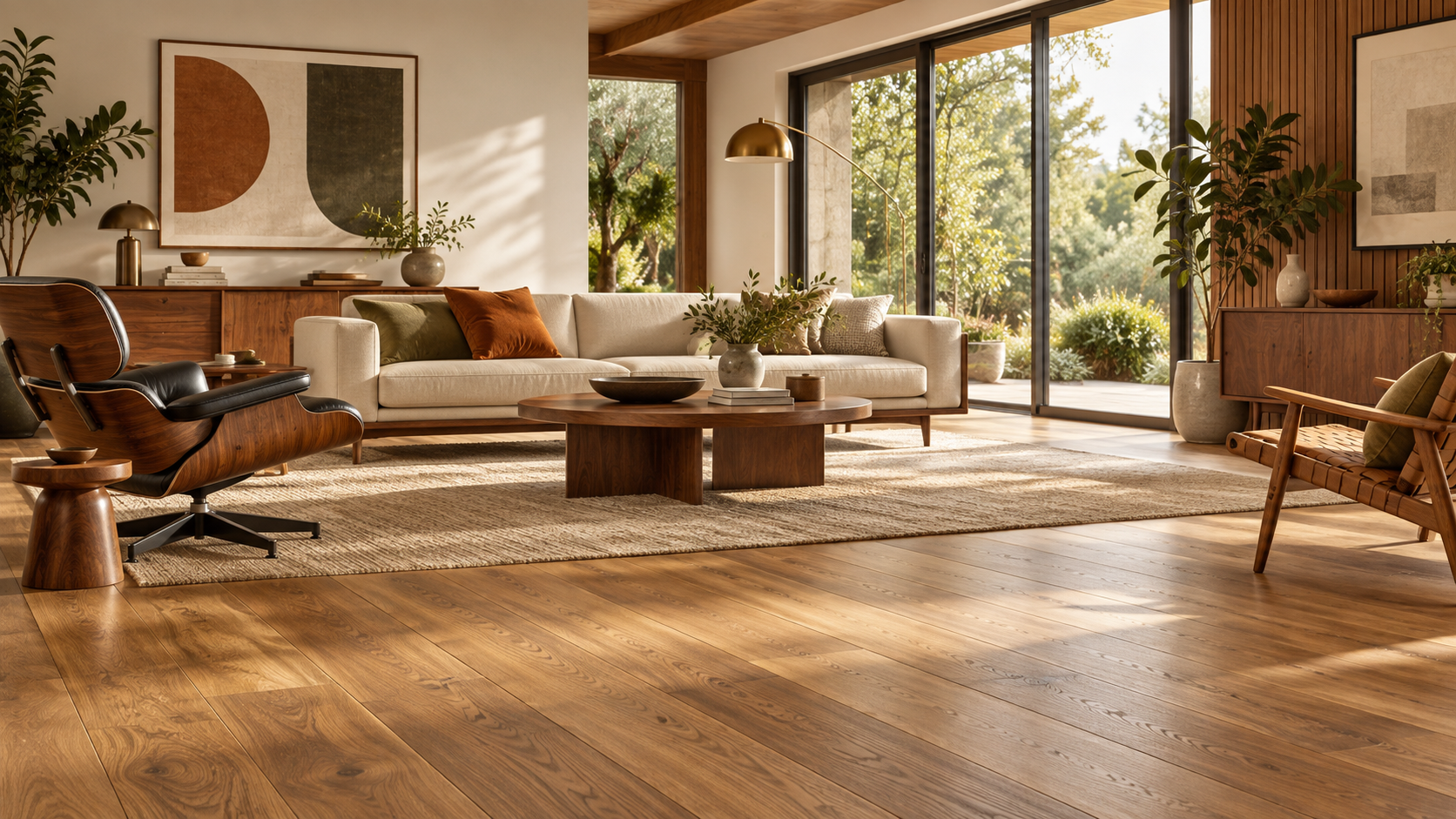
• A classic lounge chair placed over wide-plank wood flooring.
Avoid using matching furniture sets throughout the room. Mixing vintage-inspired pieces with contemporary design usually creates a more natural and lived-in result.
What Wood Flooring Works Best with Mid-Century Modern?
Wood plays an important role in defining the mood of a Mid-Century interior.
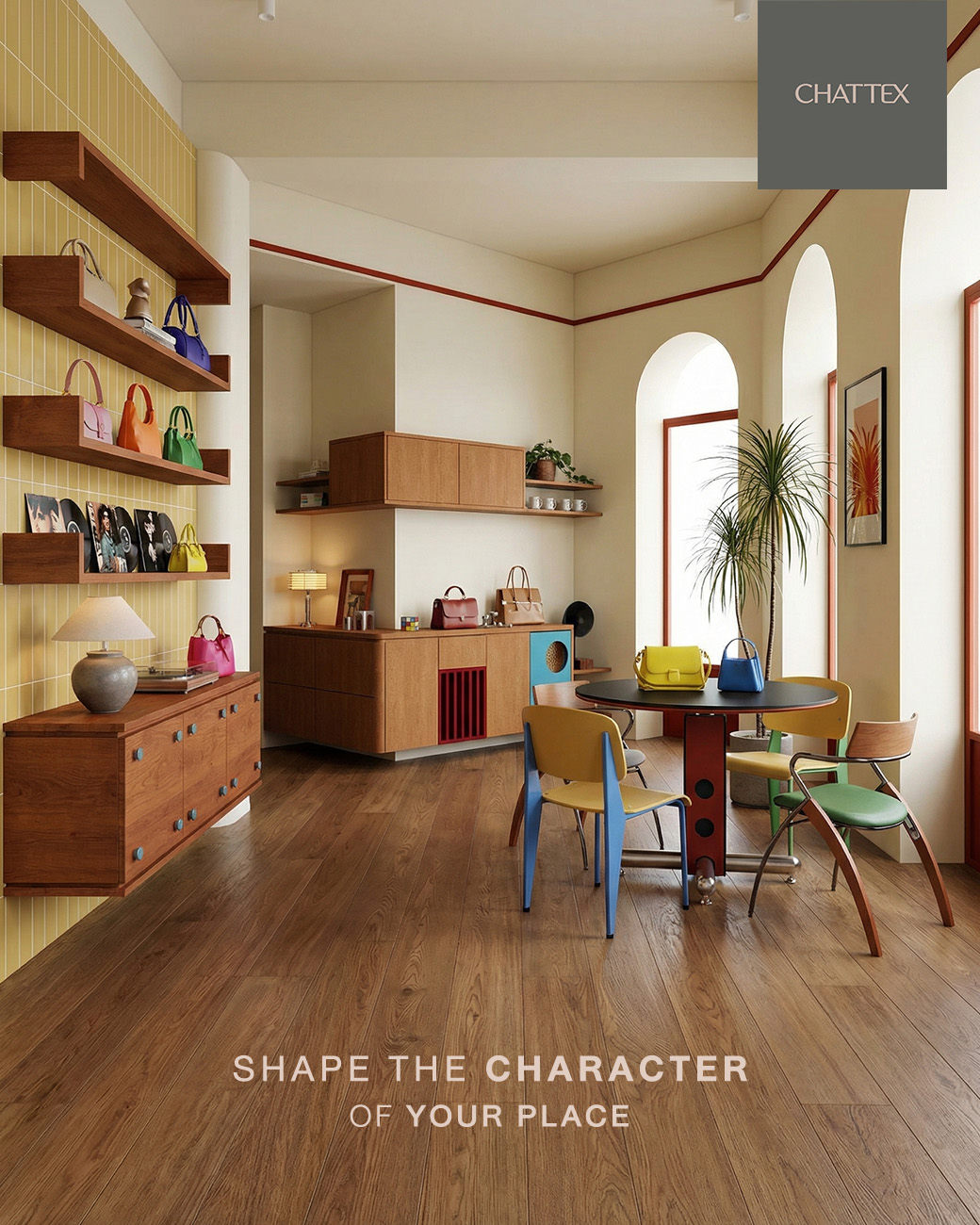
For a more classic look, Walnut, Teak tones, and Medium Brown create richness and warmth.
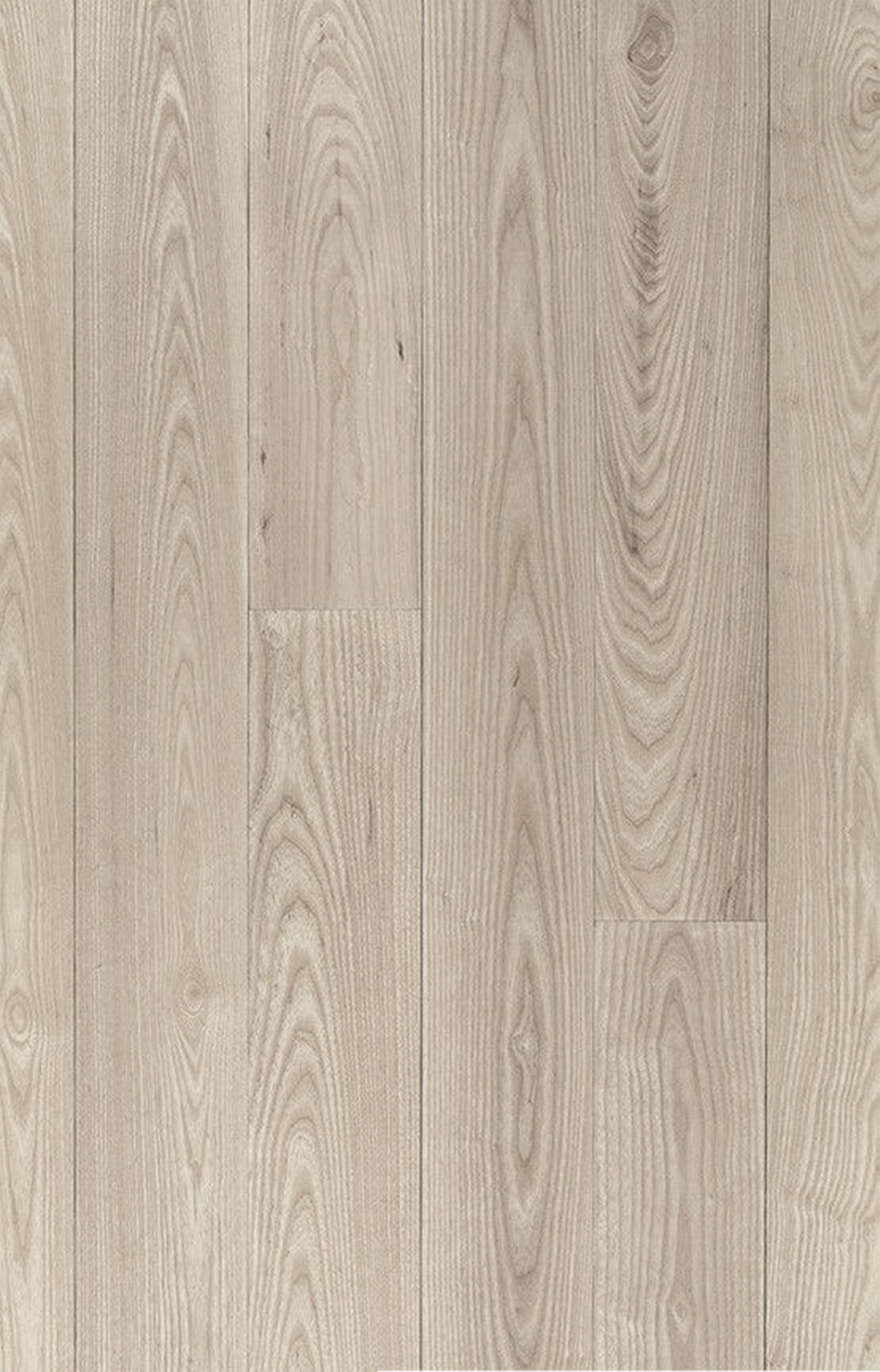
For a lighter, more contemporary interpretation, Warm Oak or Natural Brown can make the room feel brighter and more relaxed.
A Matte or Brushed Finish also helps preserve the natural appearance of the wood and pairs well with Mid-Century furniture without making the space feel overly polished.
Mid-Century Modern for Today
The reason Mid-Century Modern continues to feel relevant is not because we want to recreate the past.
Its principles still work beautifully in contemporary homes: functional furniture, thoughtful proportions, clean forms, and the warmth of natural materials.
The goal is not to create the most “Mid-Century” room possible, but to bring just enough of its character into a space that still feels current.
CHATTEX Engineered Wood Flooring
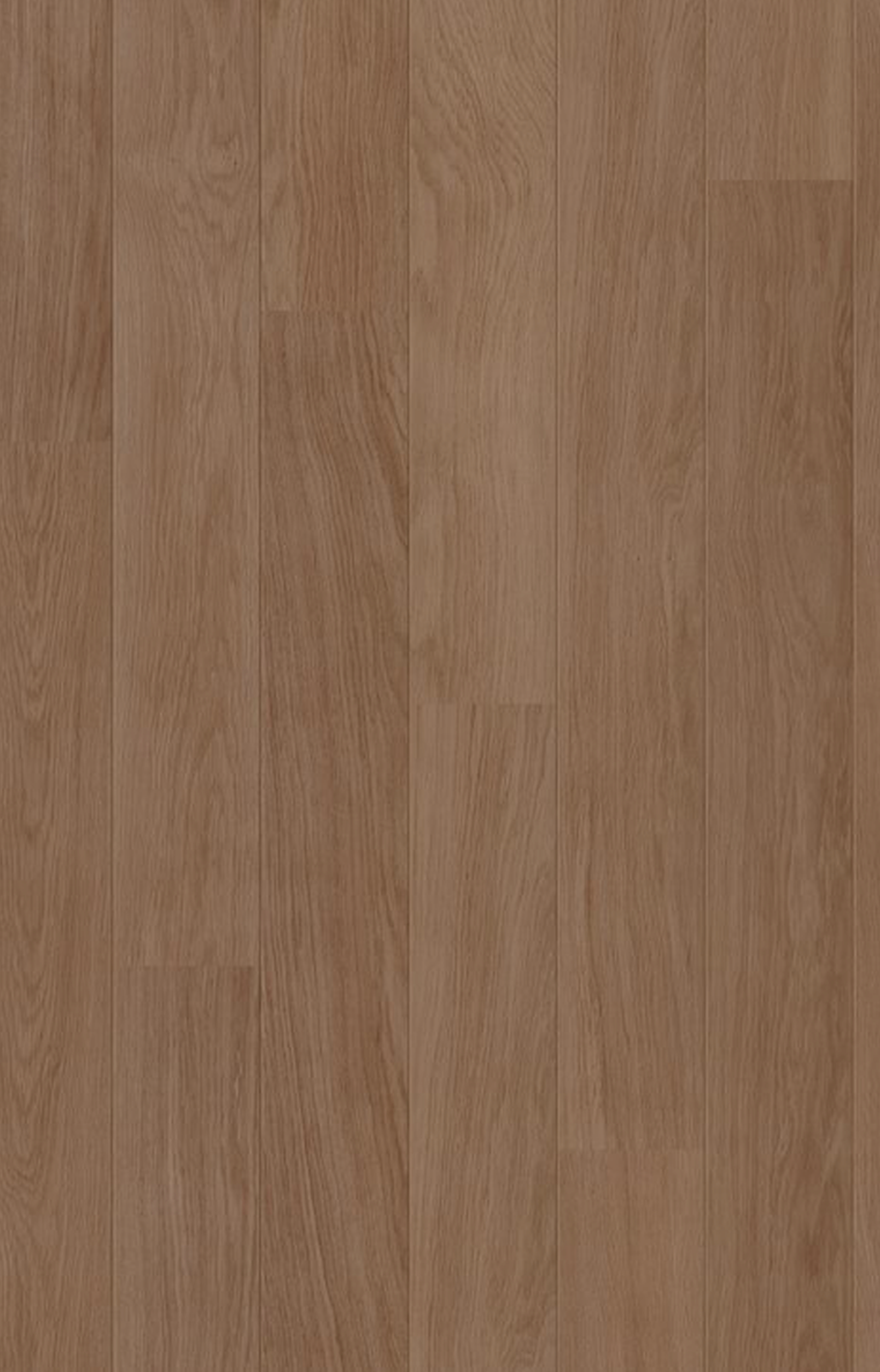
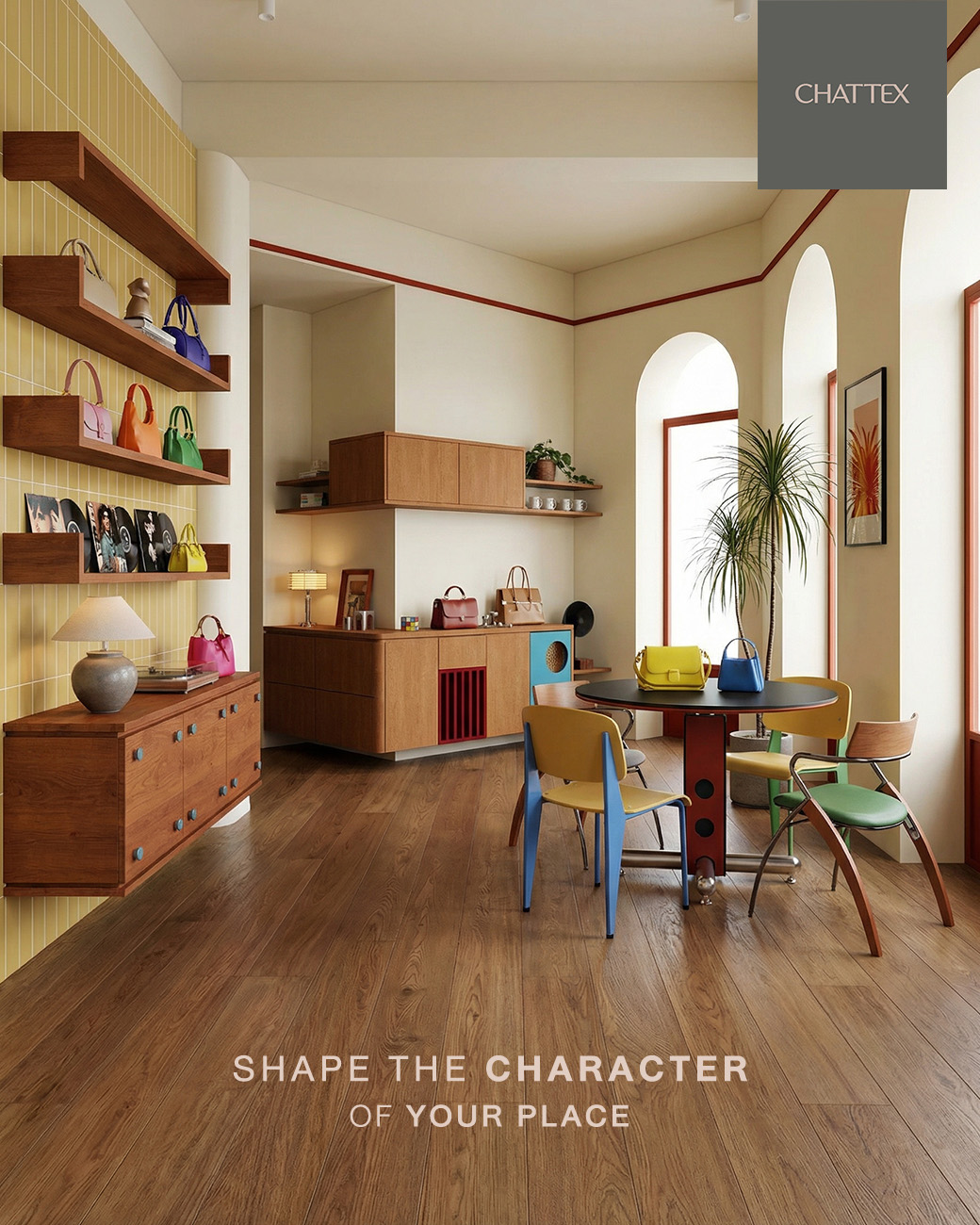
Warm and natural wood tones with subtle grain and texture, designed to bring depth, character, and warmth to Mid-Century Modern interiors.
Use with our collection
